This morning, after our night of sleep catch up, after the no sleep flight, was our Kilmainham Gaol (jail) tour. We needed to arrive at 9:30am for a 9:45am tour. Before catching the bus, we ate our grocery run breakfast. The hotel had a kettle in the room with tea, so Travis was able to make tea.
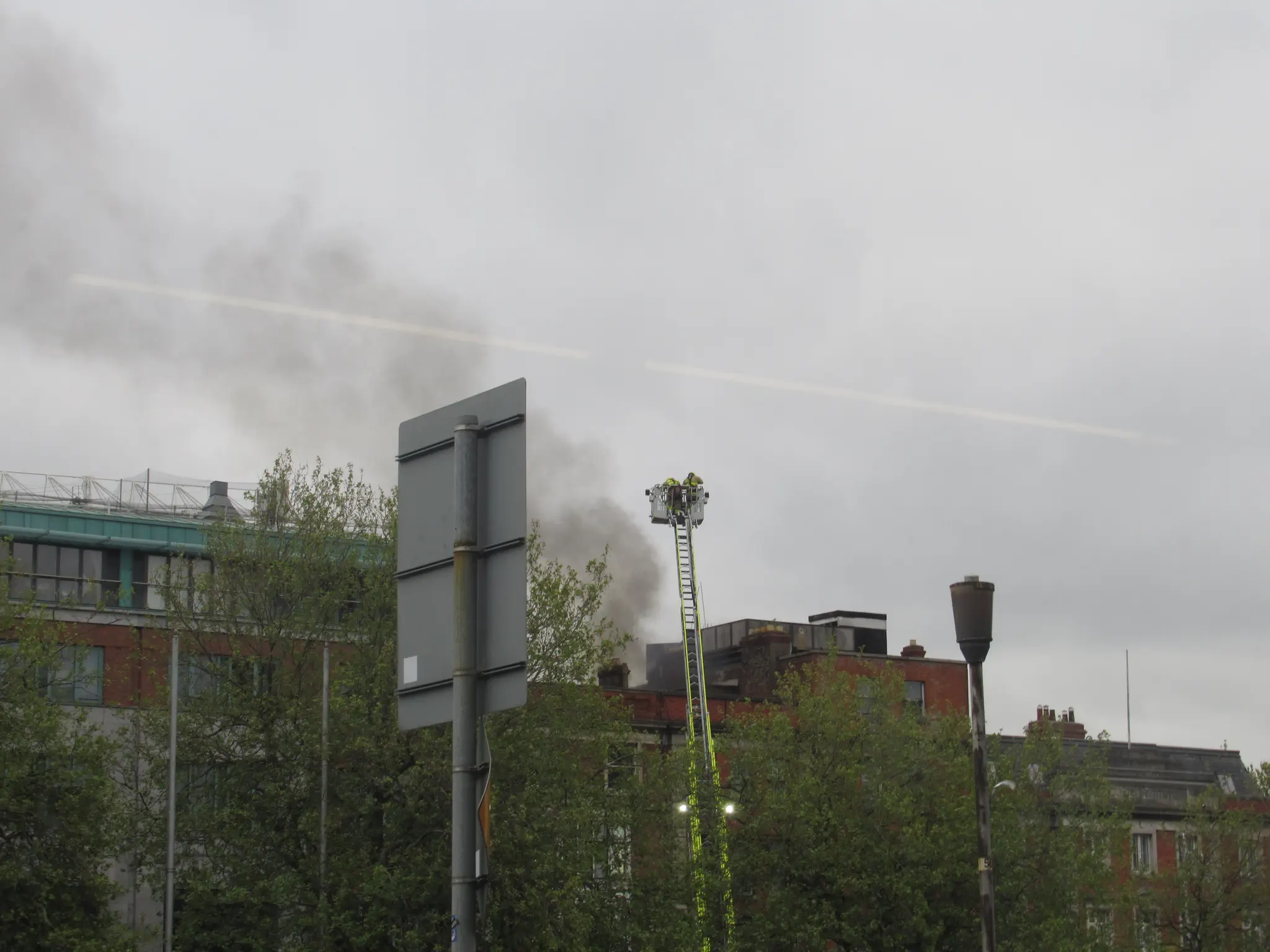
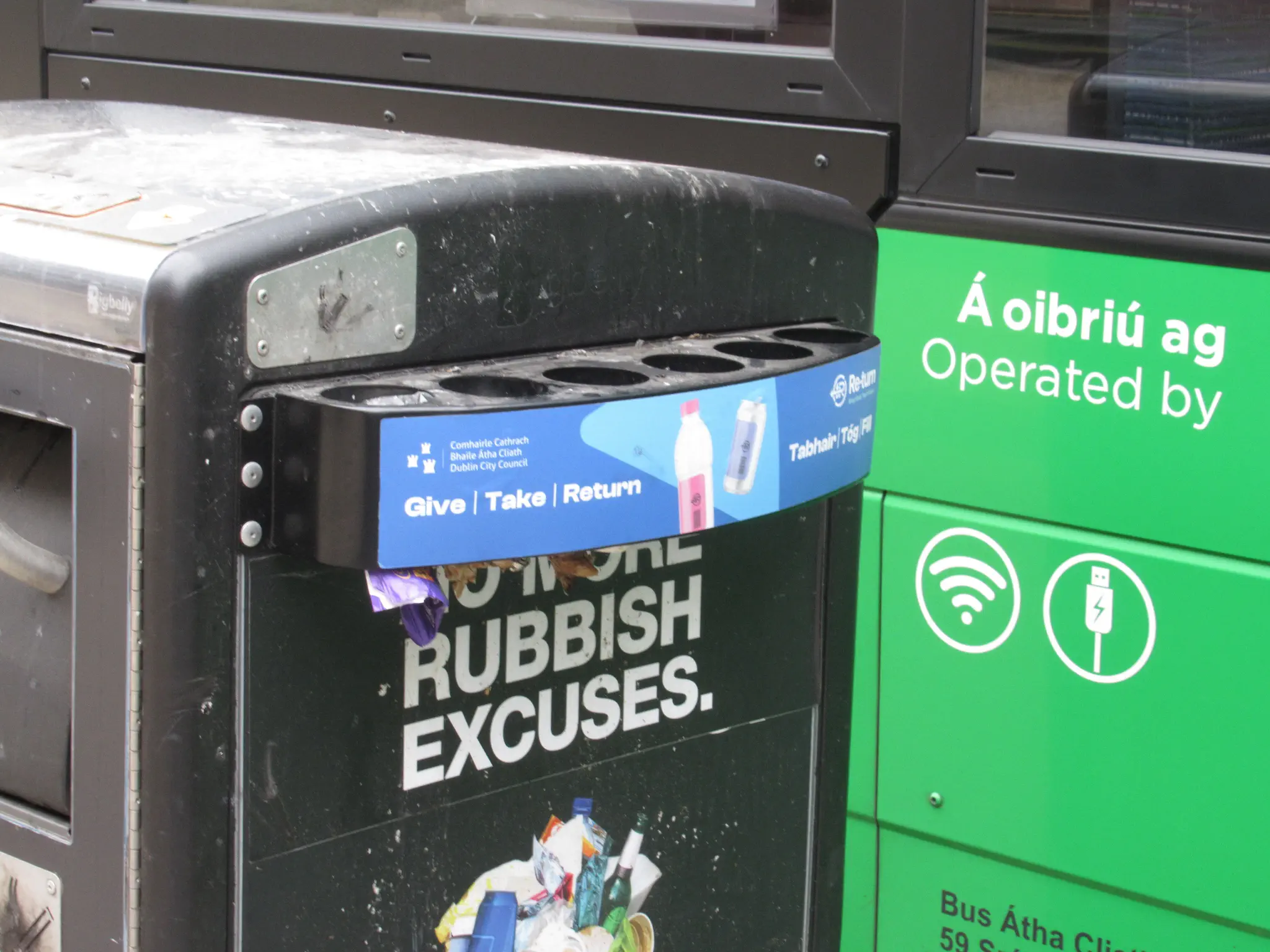
The elevated train was coming and looked cool; we never rode it. Double decker bus like we were on. I noticed the traffic was much more manageable than London or Rome's. While on the bus, we saw a crazy fire that they were fighting with the ladder truck. When we return after the tour and lunch at 12:30pm, they were still fighting it, and our bus was routed around since now we were on that side of the road. Travis found a story on the fire later, and it burned a long time pub: The James Connolly. Since cans and bottles all have deposits, the trashcan had a place to leave them to let others take them in for you.
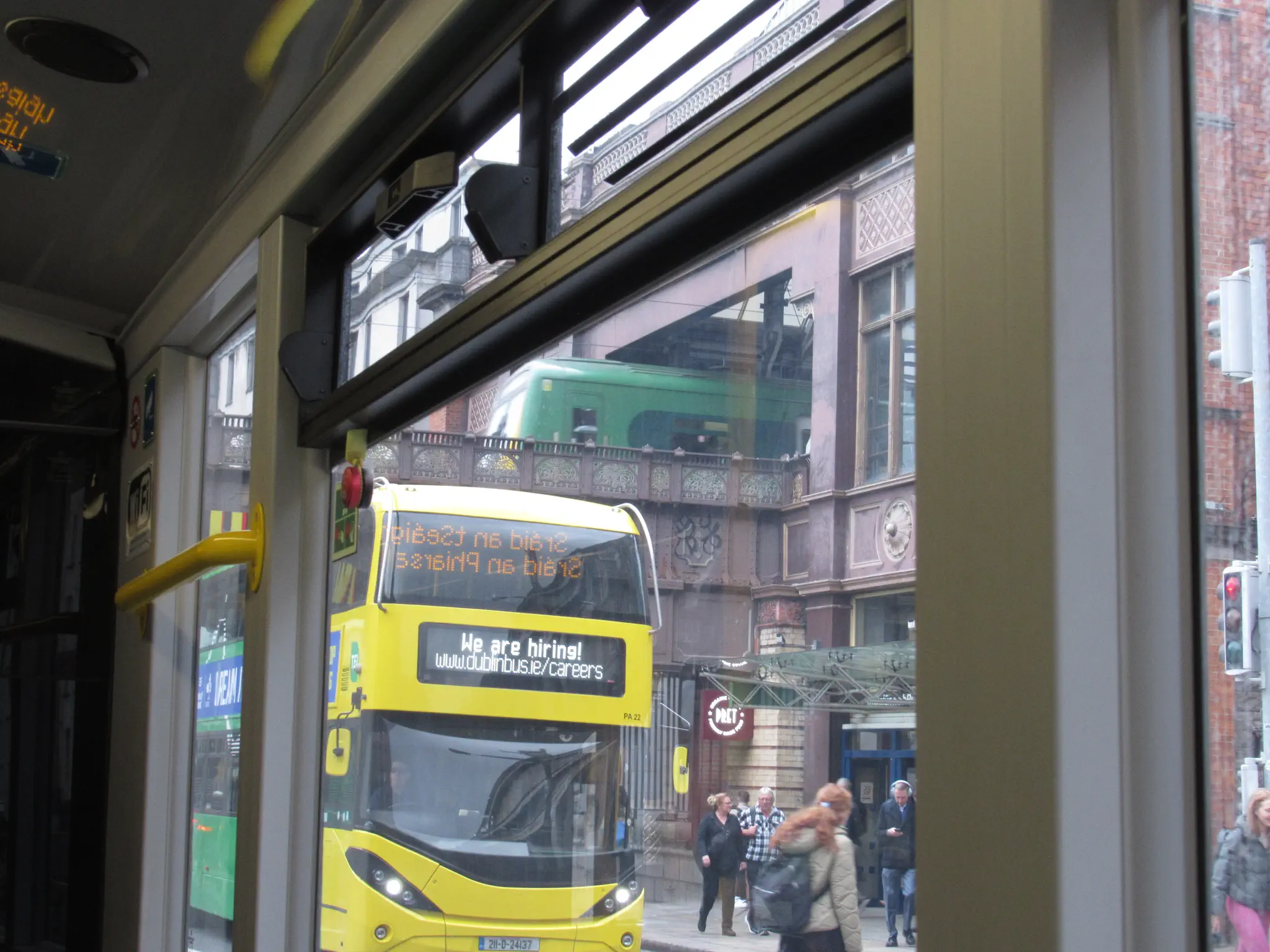
The bus ride to the jail was slow, so we were not very early. There was a stop to change drivers and another for the new driver to have a restroom break. They were both polite and let us know, but it took longer. There was also a bus change; we were on bus 70 and then on bus 69.
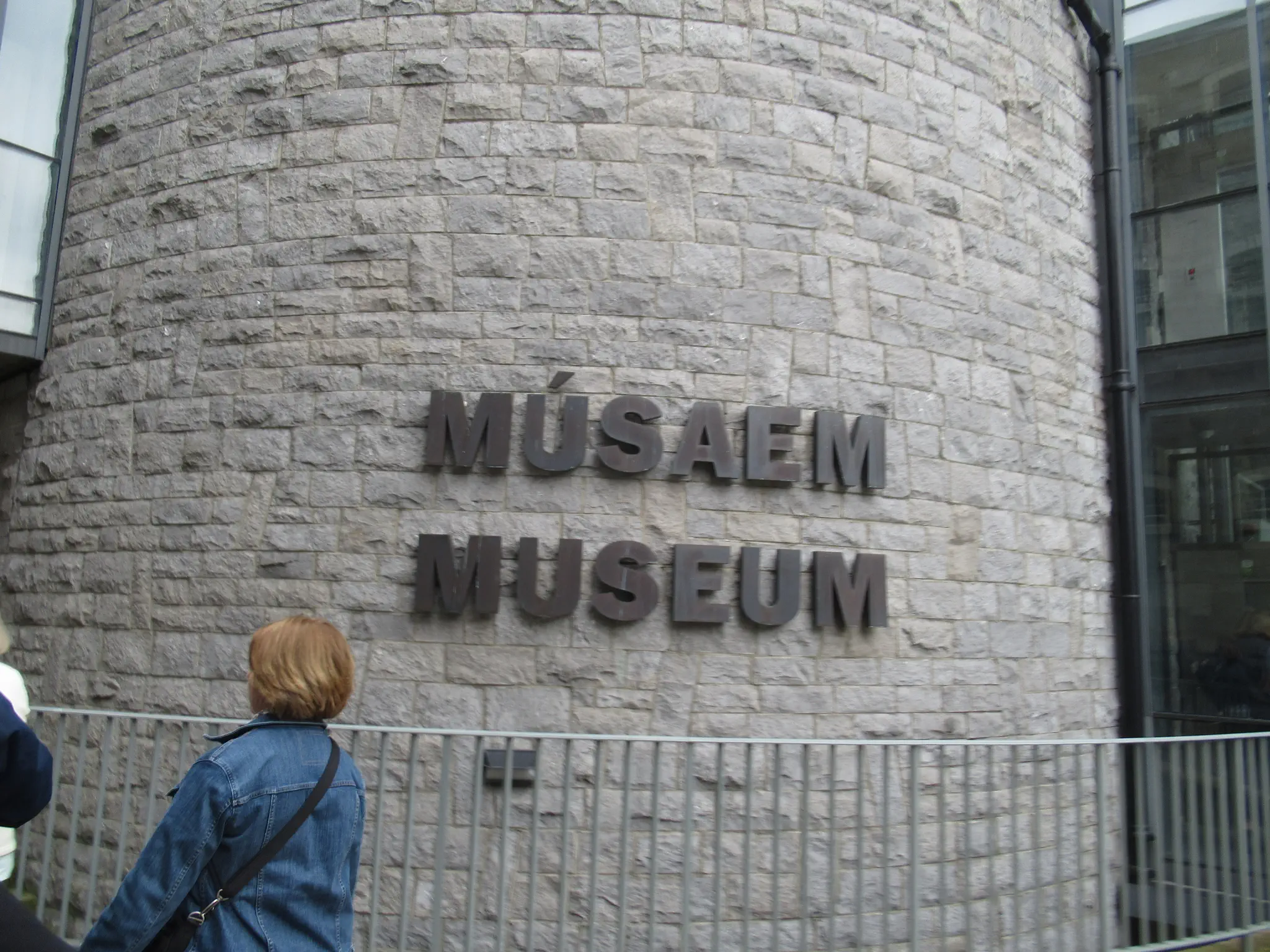
After arriving, a door on the left had a gentleman checking tickets and directed us in the right direction. The ticket desk sent us to the museum (there was a bigger museum at the end, so I guess small display instead). After visiting the museum, we were to wait in the courthouse. It was a cool old courthouse.
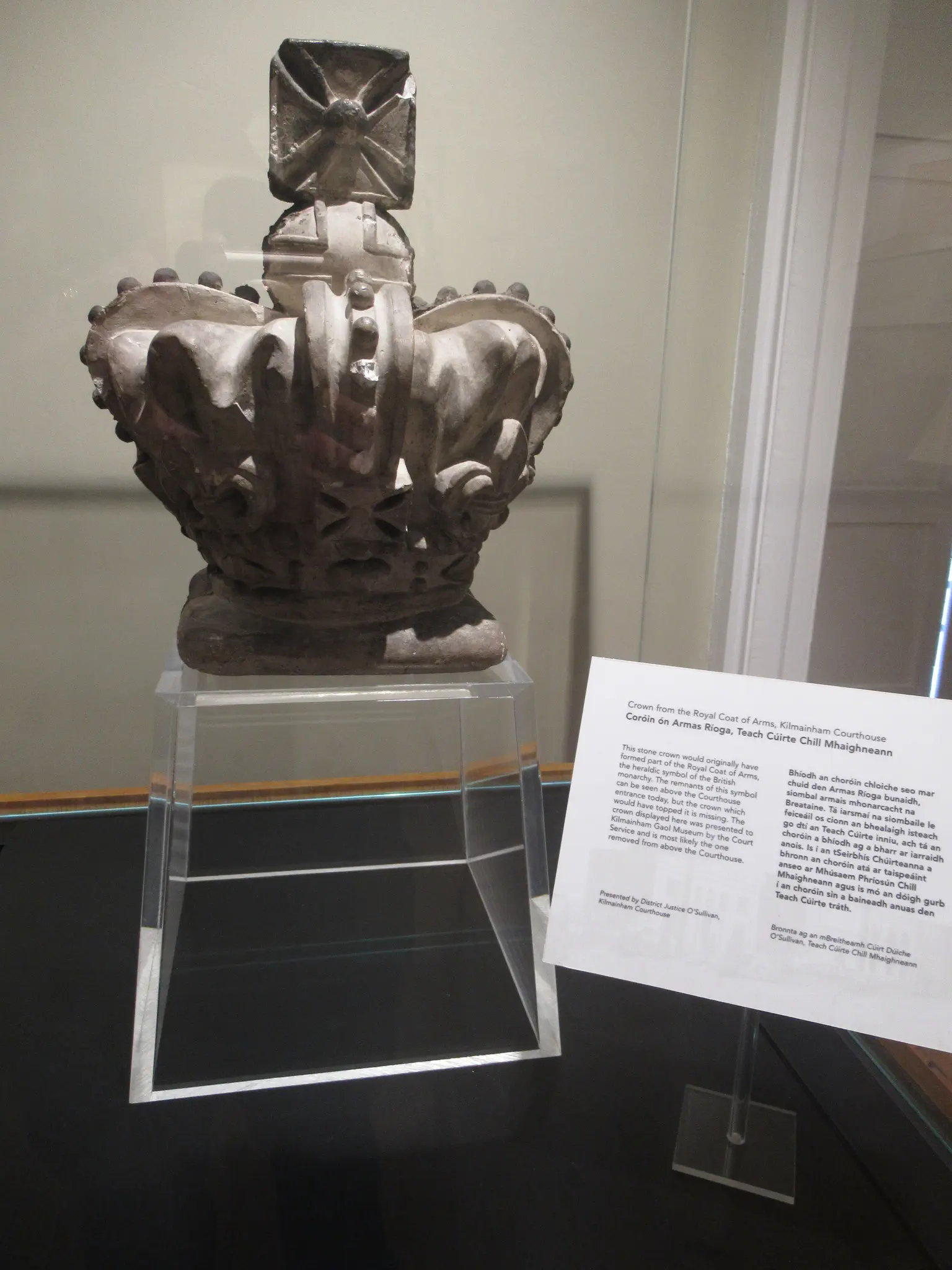
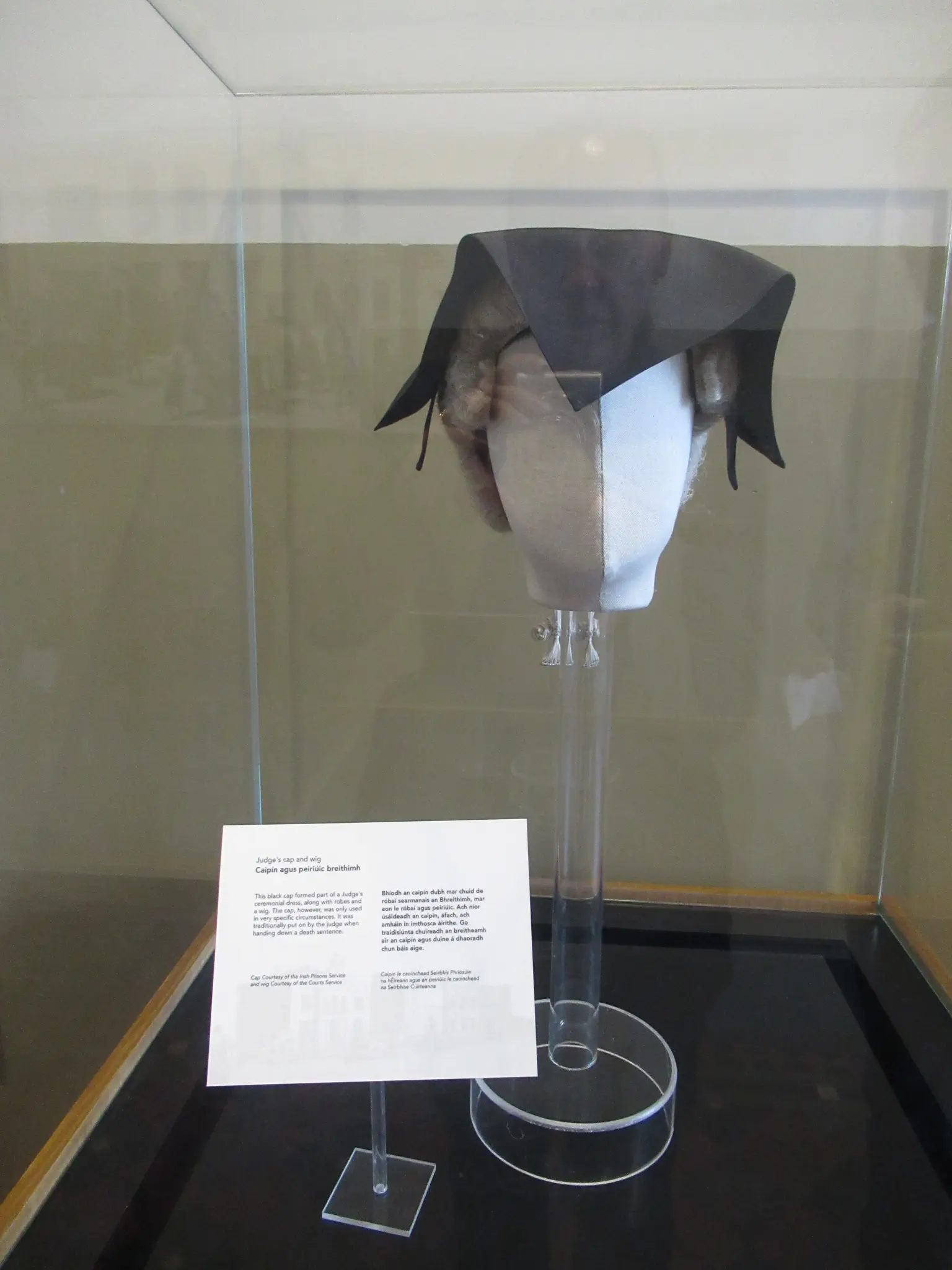
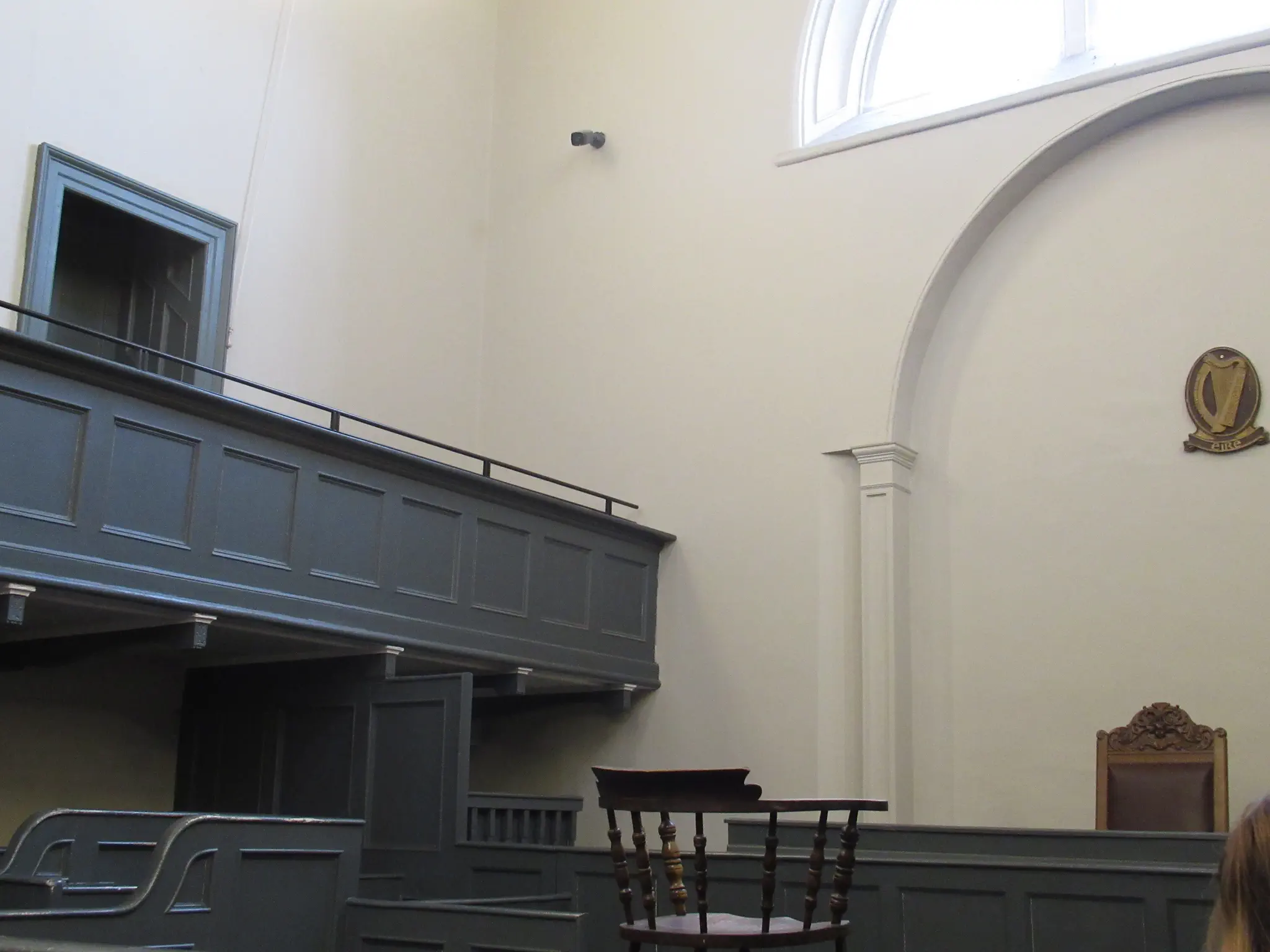
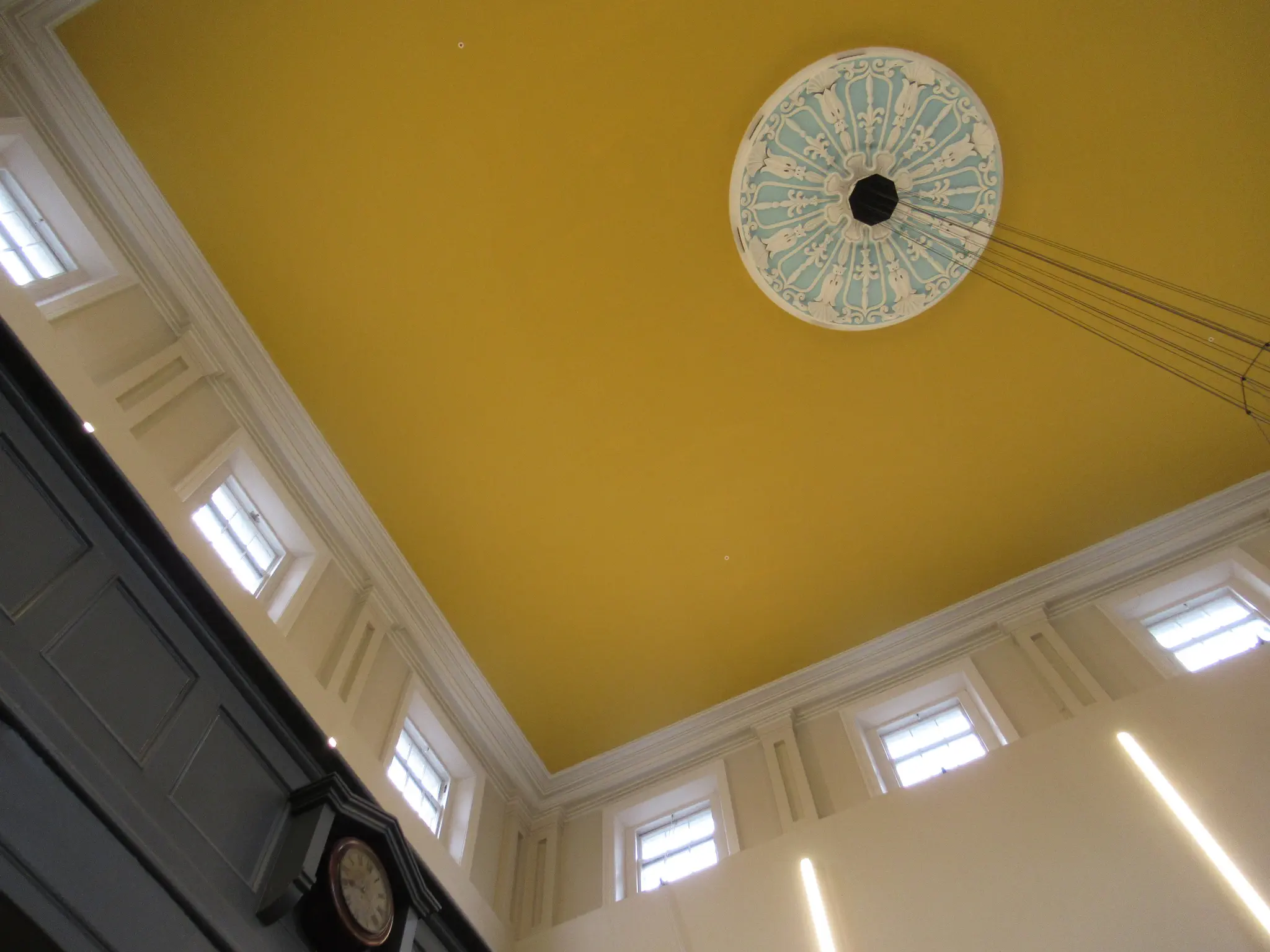
We met our tour guide and started the tour. We learned that the jail was associated with Australia as a penal colony; 30,000 people were sent to Australia, knowing that they were unlikely to return. There was only a 5% return rate. A boat left for Australia only every 6 to 12 months, so it was not a fast or frequent operation.
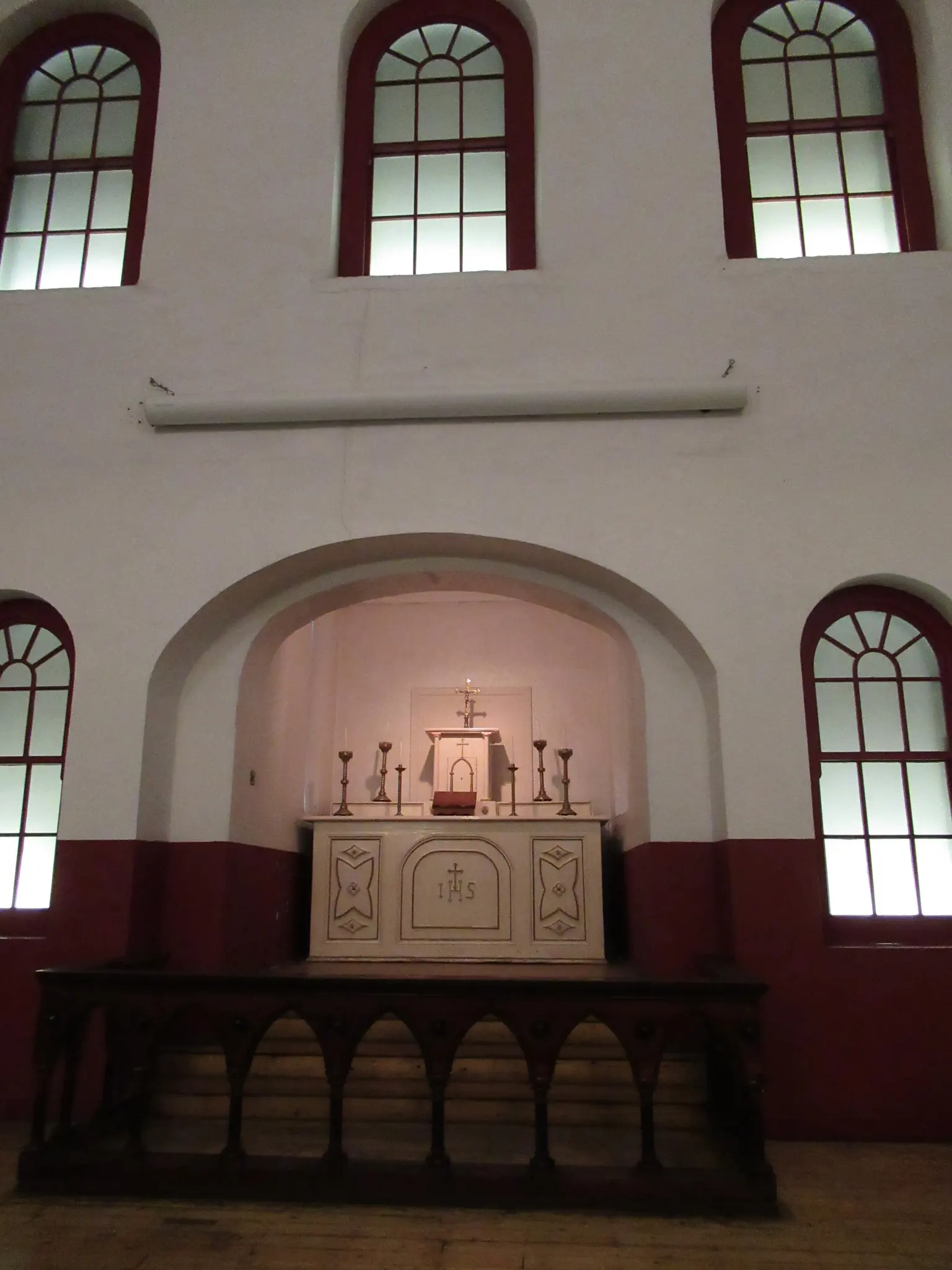
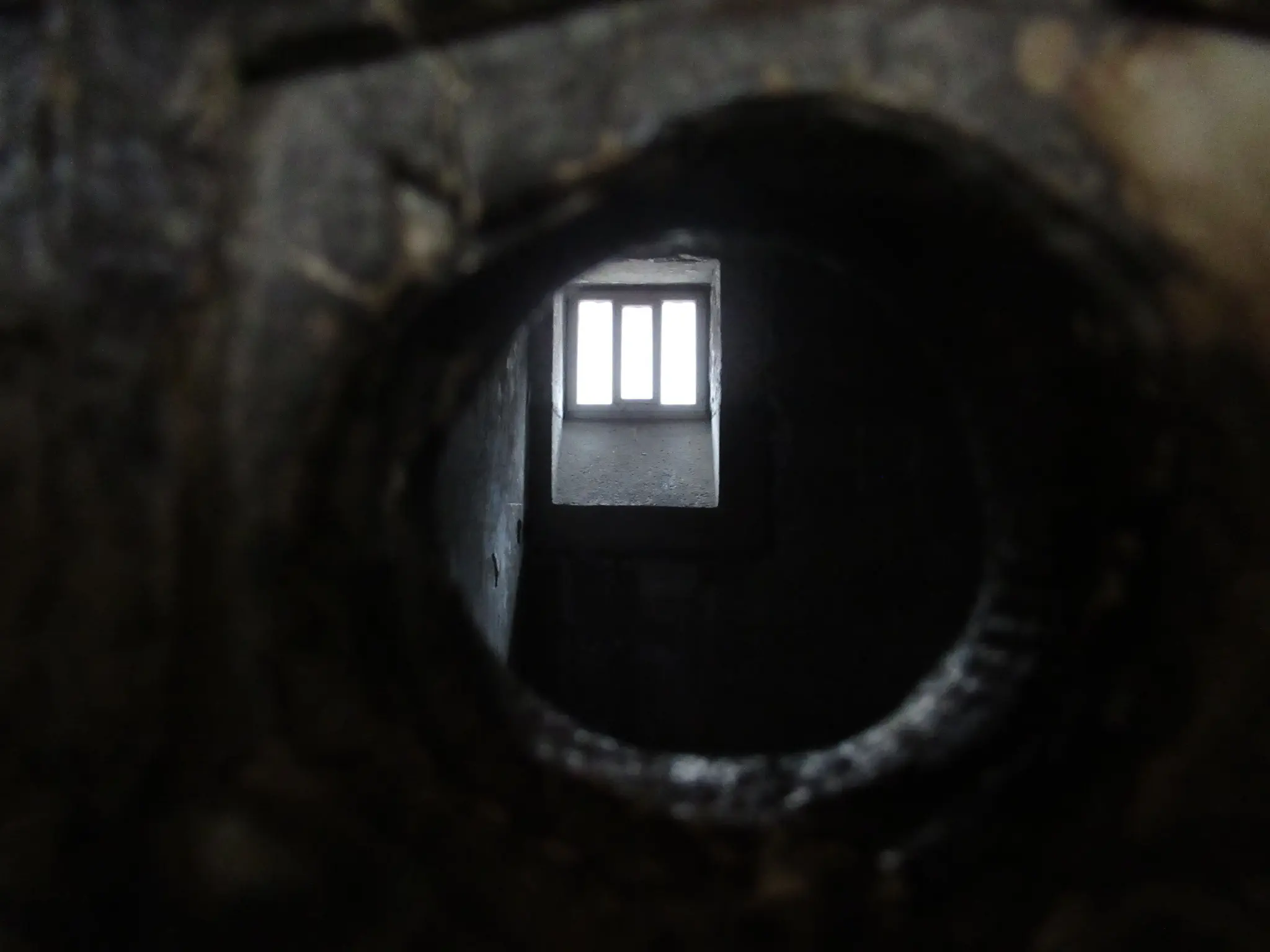
The jail started as all cells were solidary confinement because they were very focused on reforming the prisoners and thought that this was the best way. They later decided against this original thought and added more people to cells. During the potato famine, a law was passed making begging illegal, so many people were arrested because they were hungry or needed to feed their family. In the prison, they were required by law to be fed, so being arrested allowed them to eat. During this time, cells held 3-5 people; they were issued straw to sleep on. Women and children were housed outside the cells in the hallway.
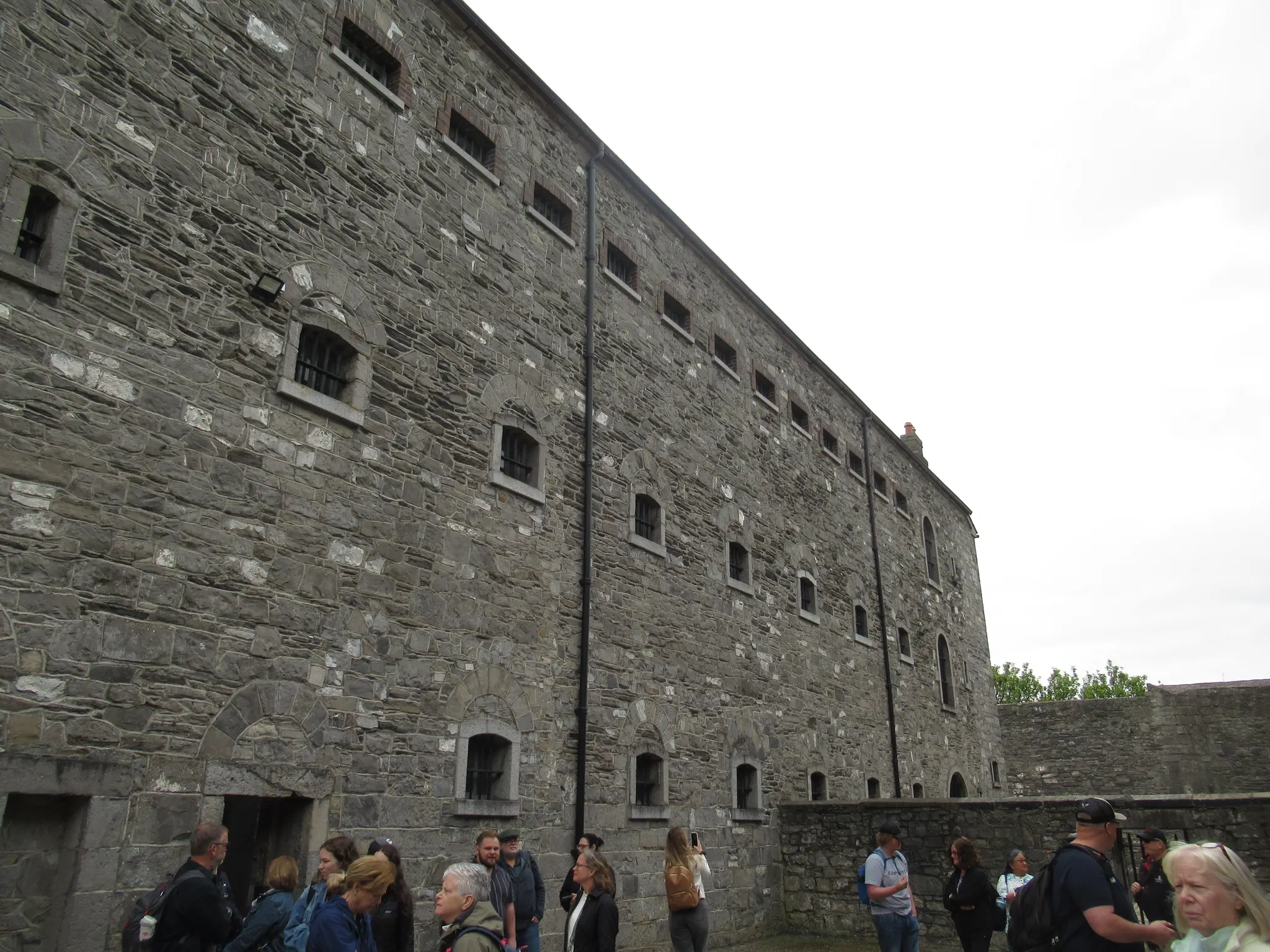
Peeking into a cell. The outside. The glass in the windows was added later; at the time, they thought germs were spread without fresh air. It was cold and damp in the halls. Multiple level halls with cells. Cells of famous people were labeled.
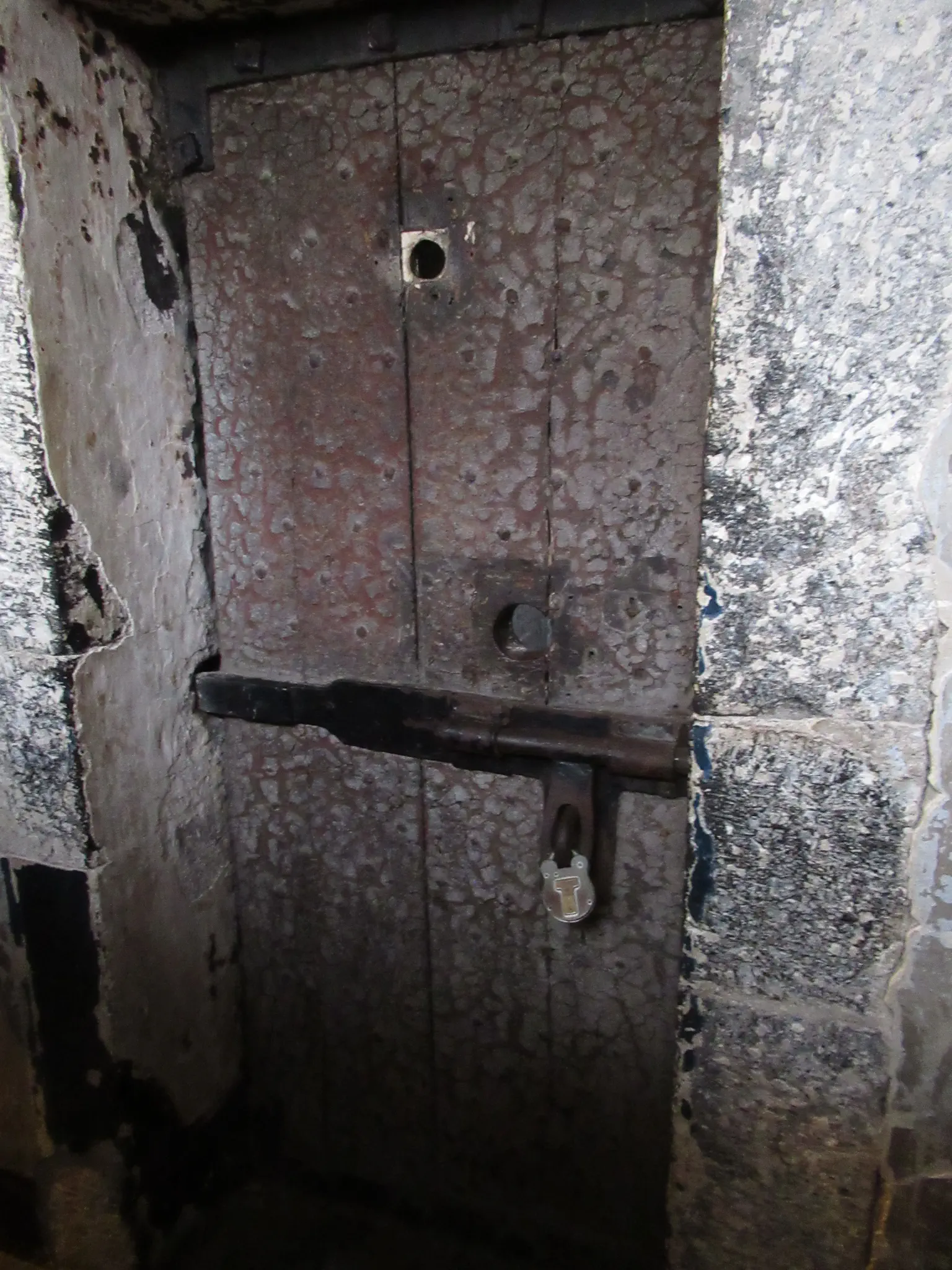
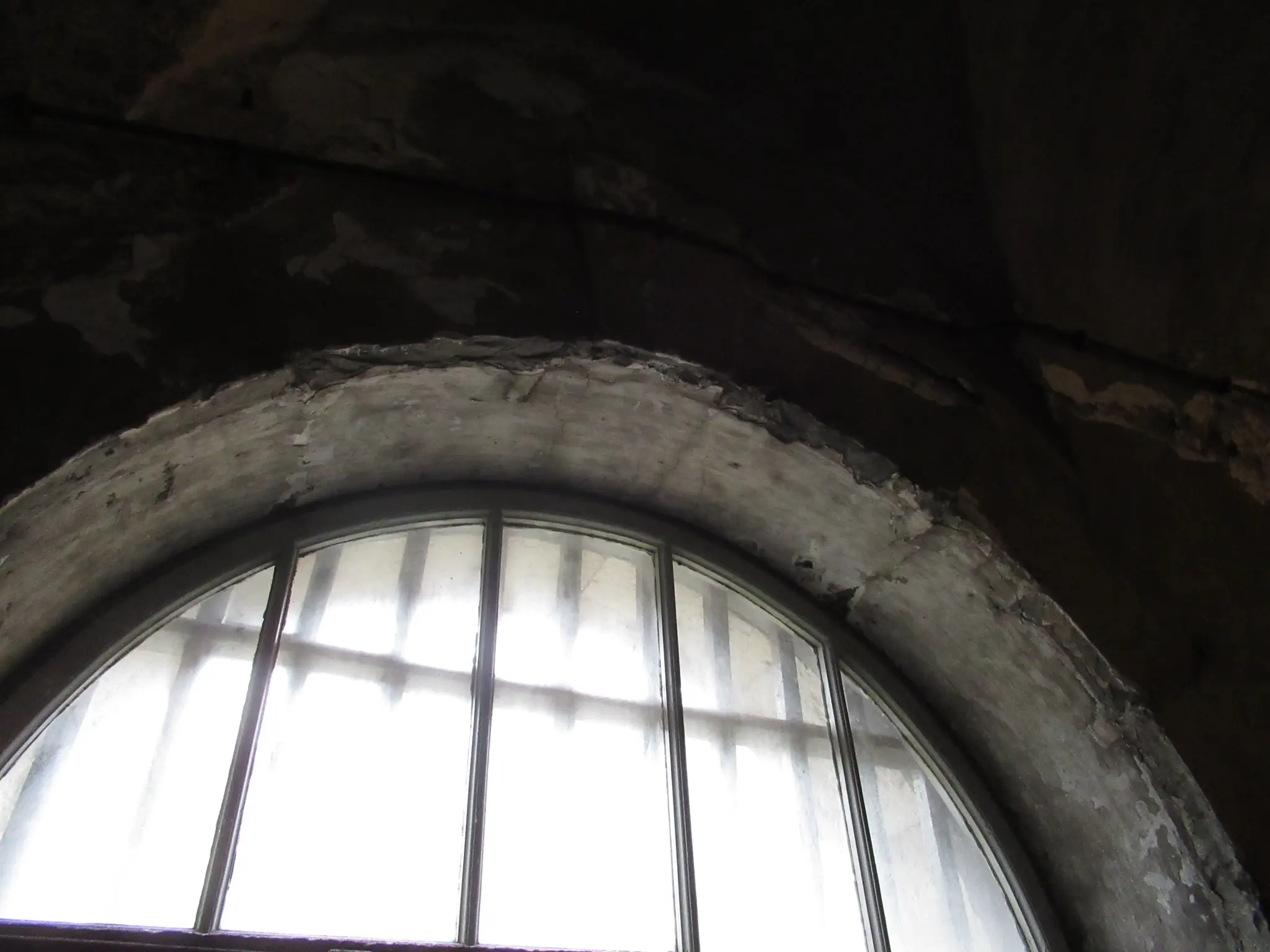
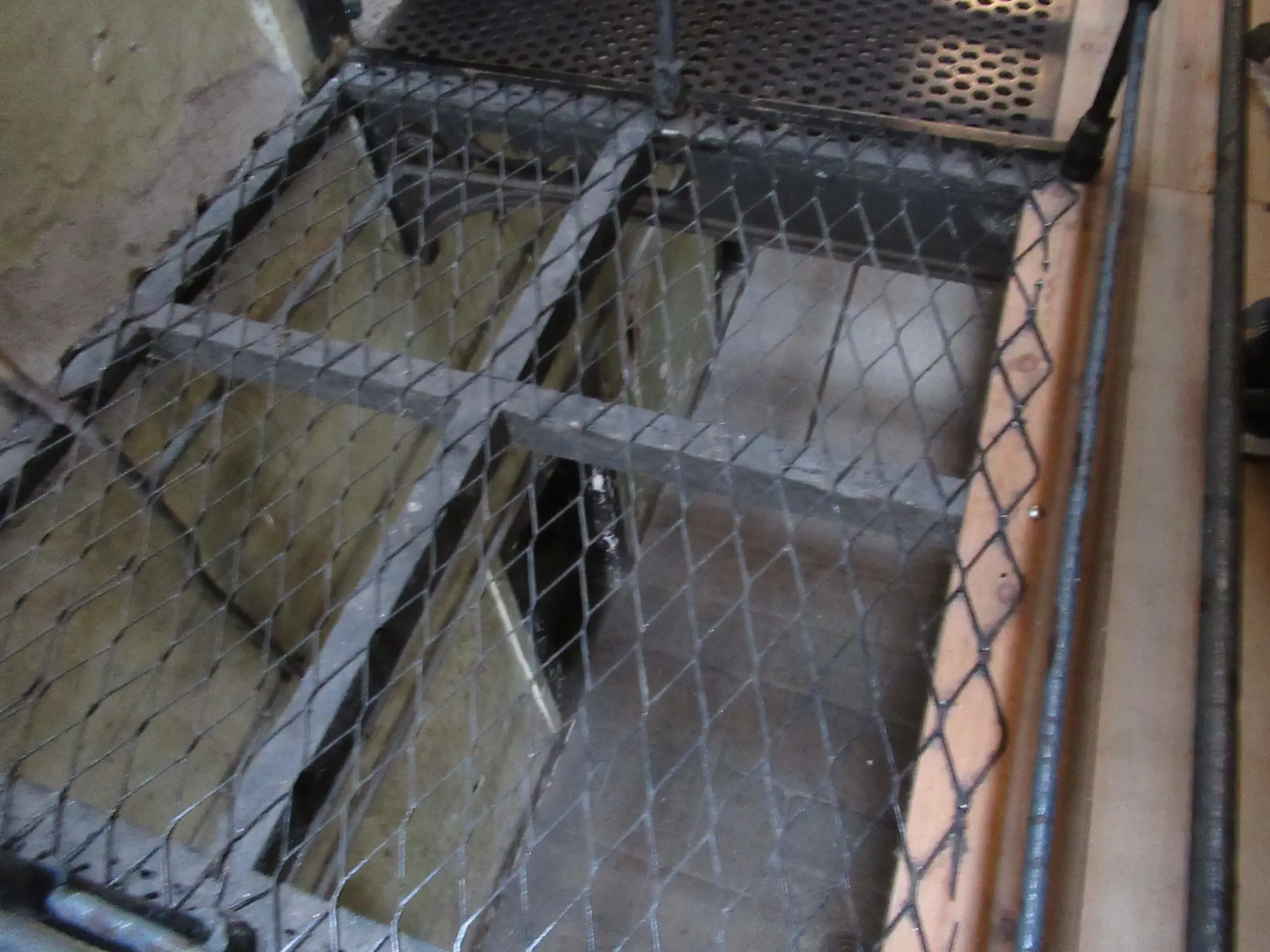
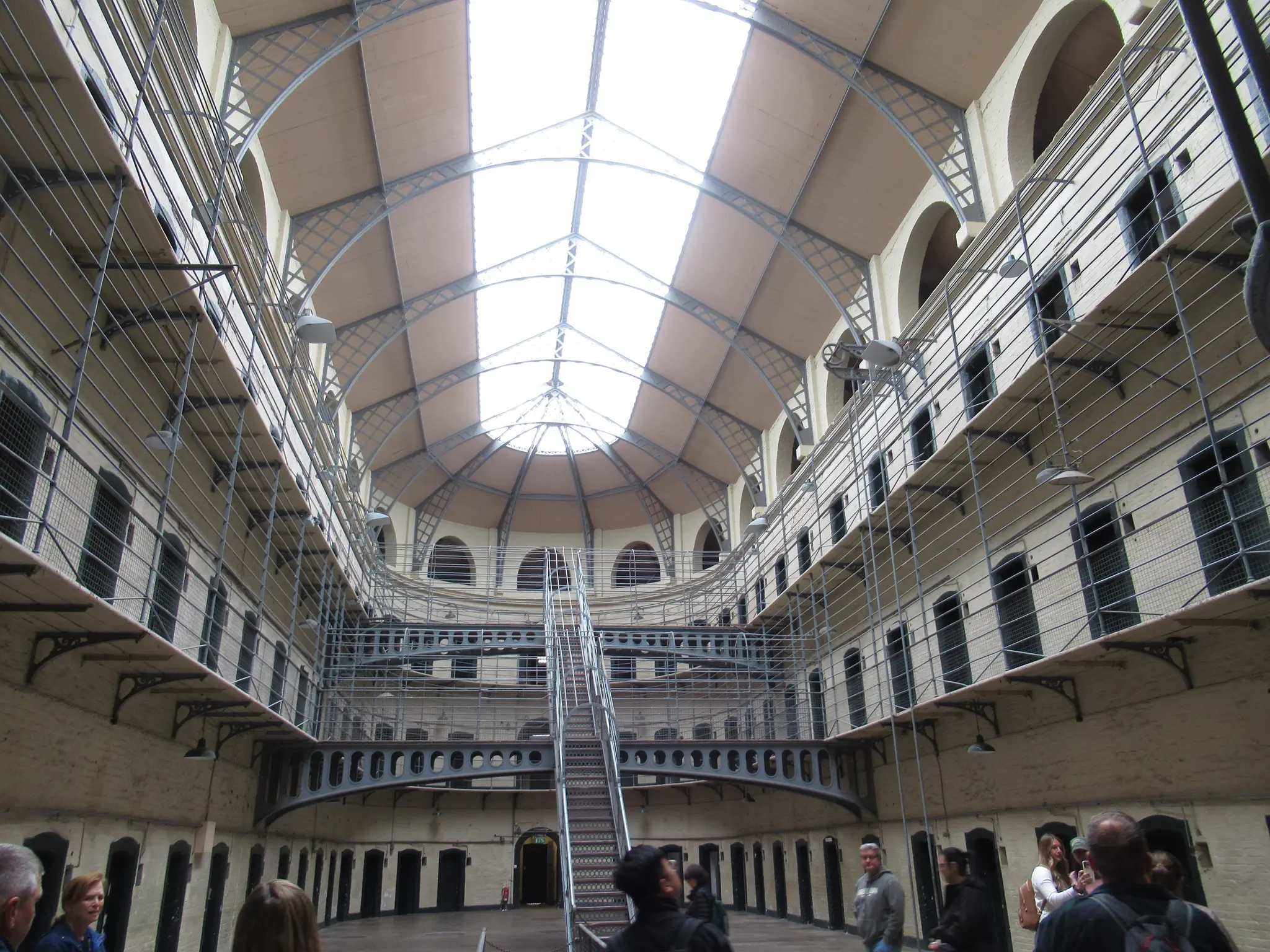
The panopticon designed room, which featured 96 cells around, allowing for full surveillance. It has a dumb waiter to lift the meals up and down.
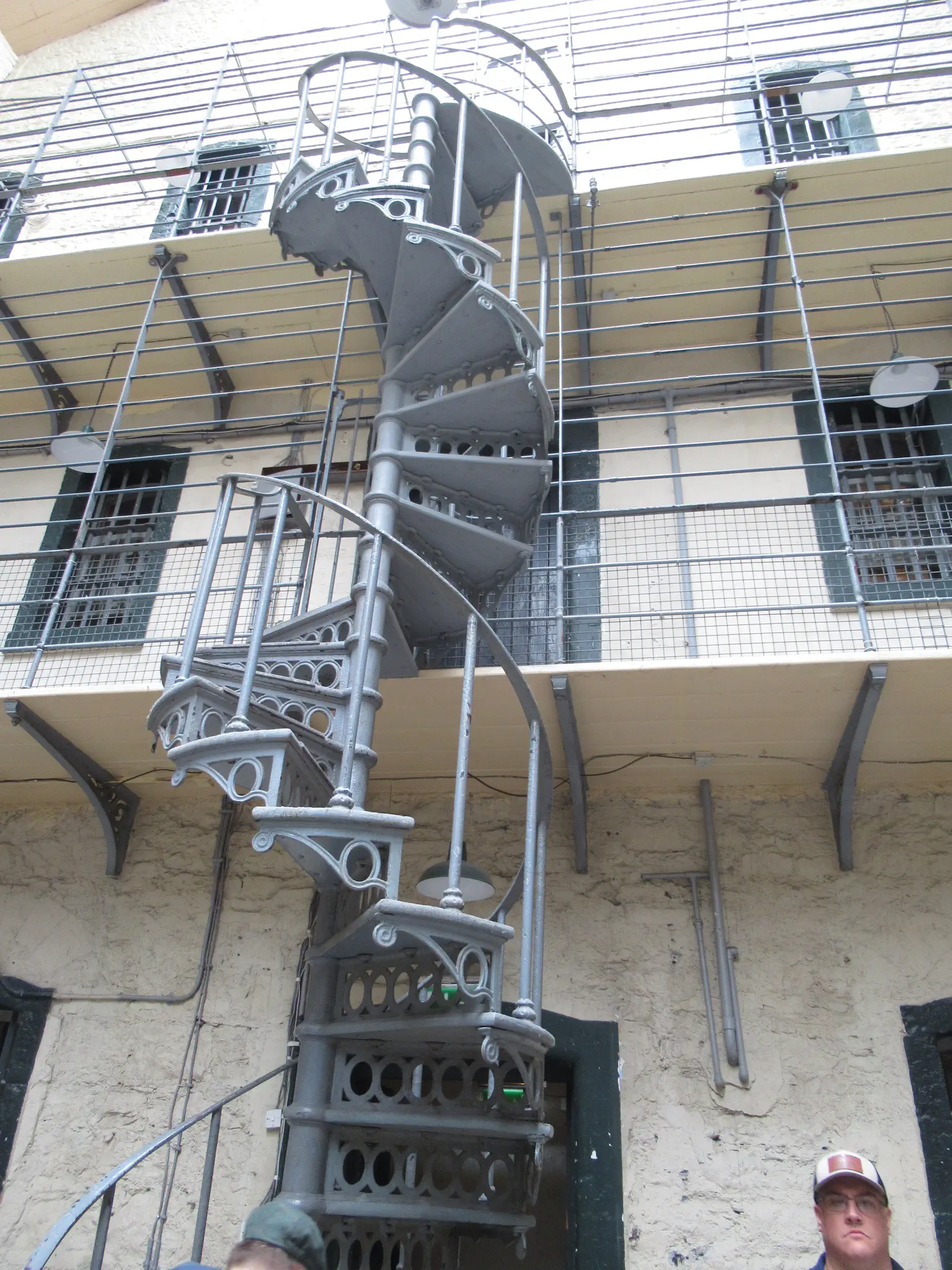
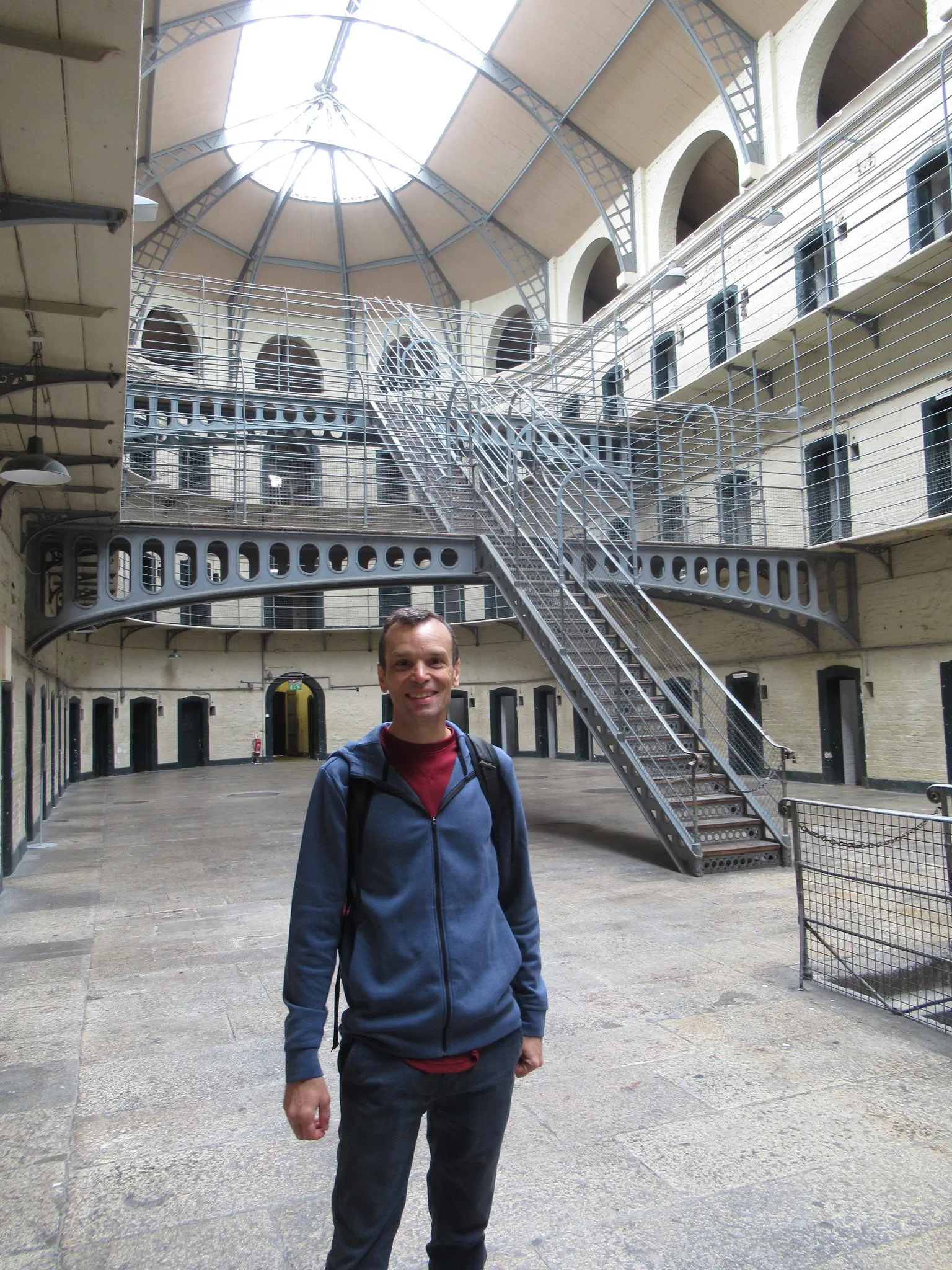
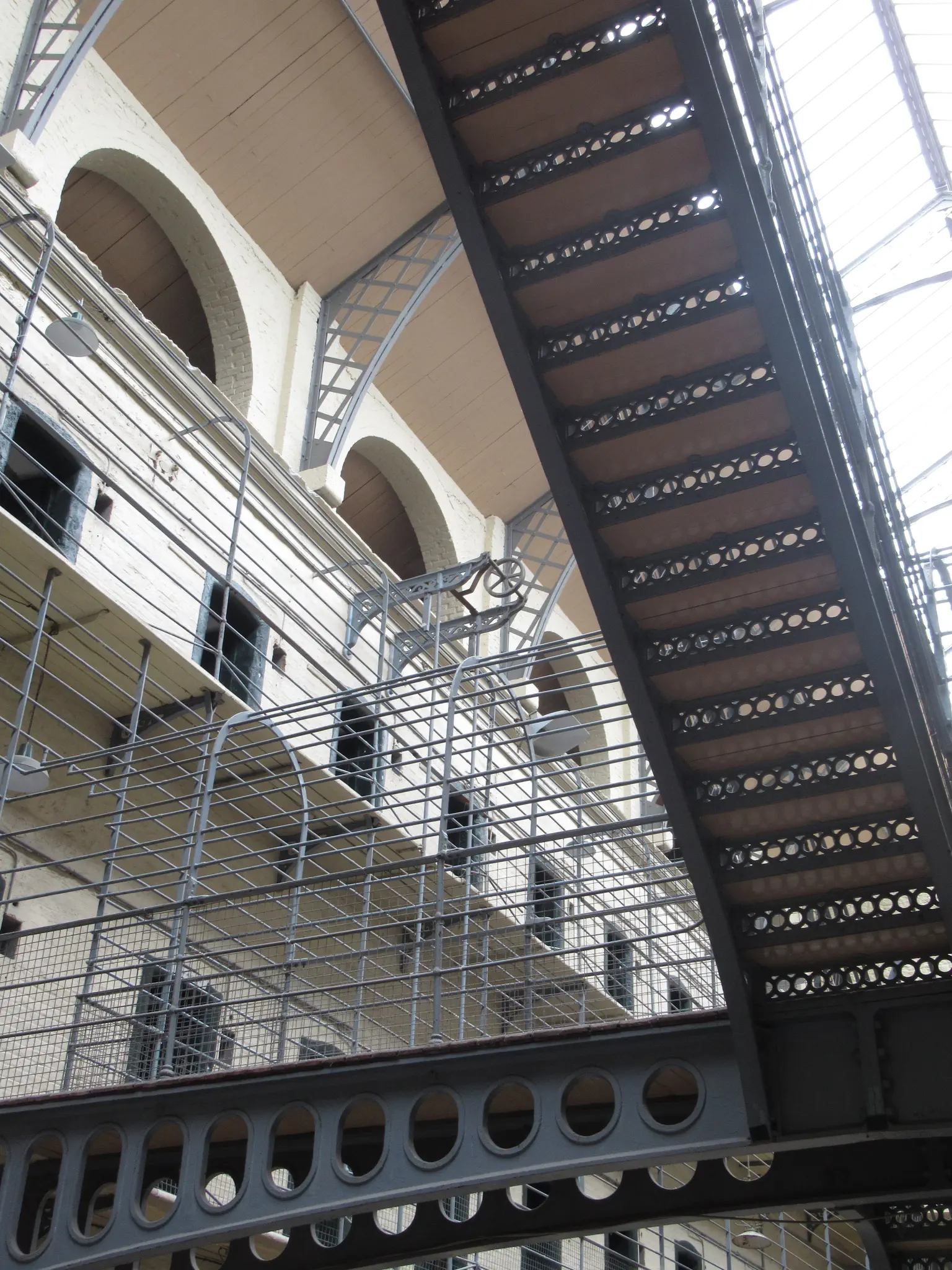
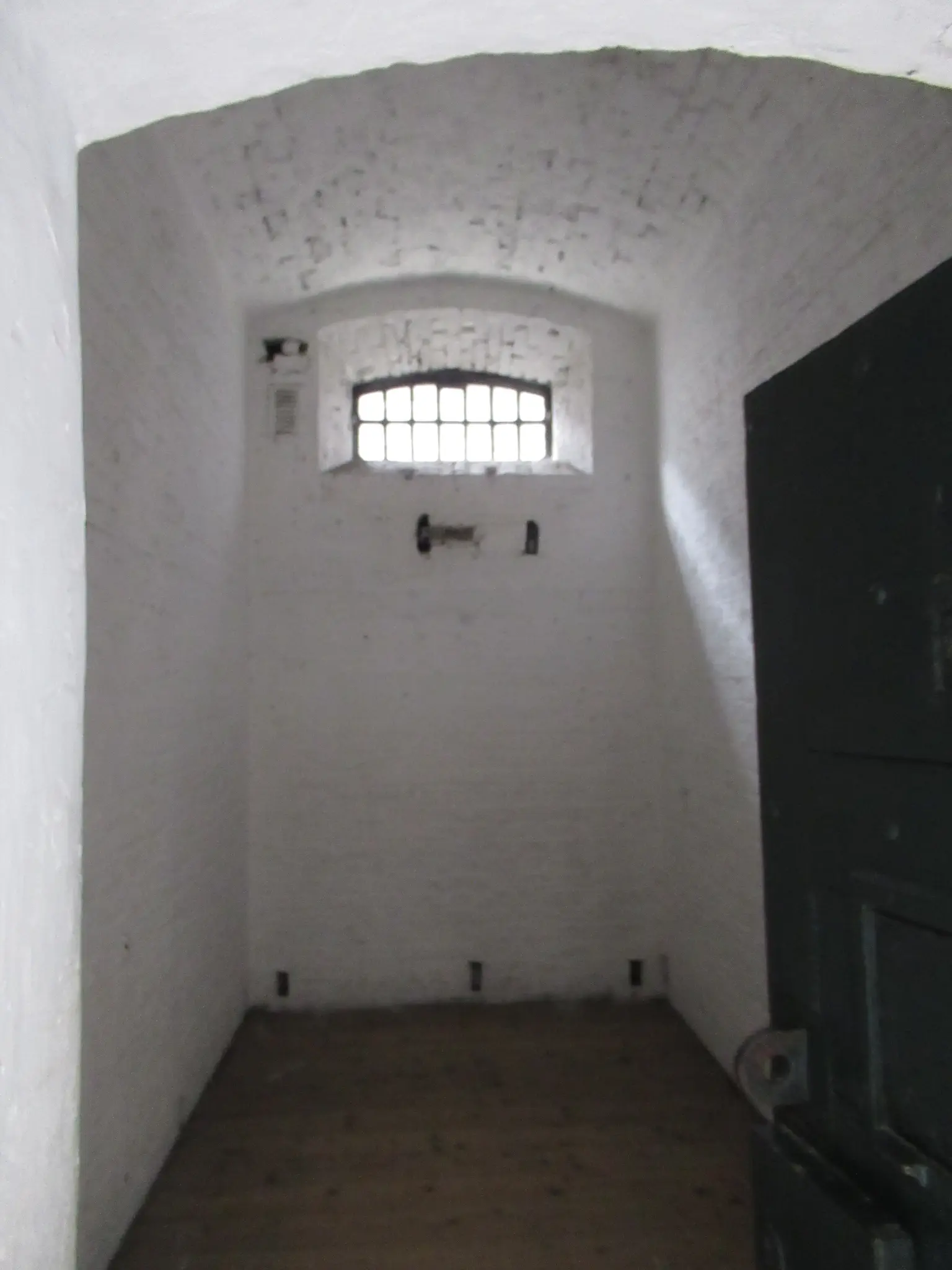
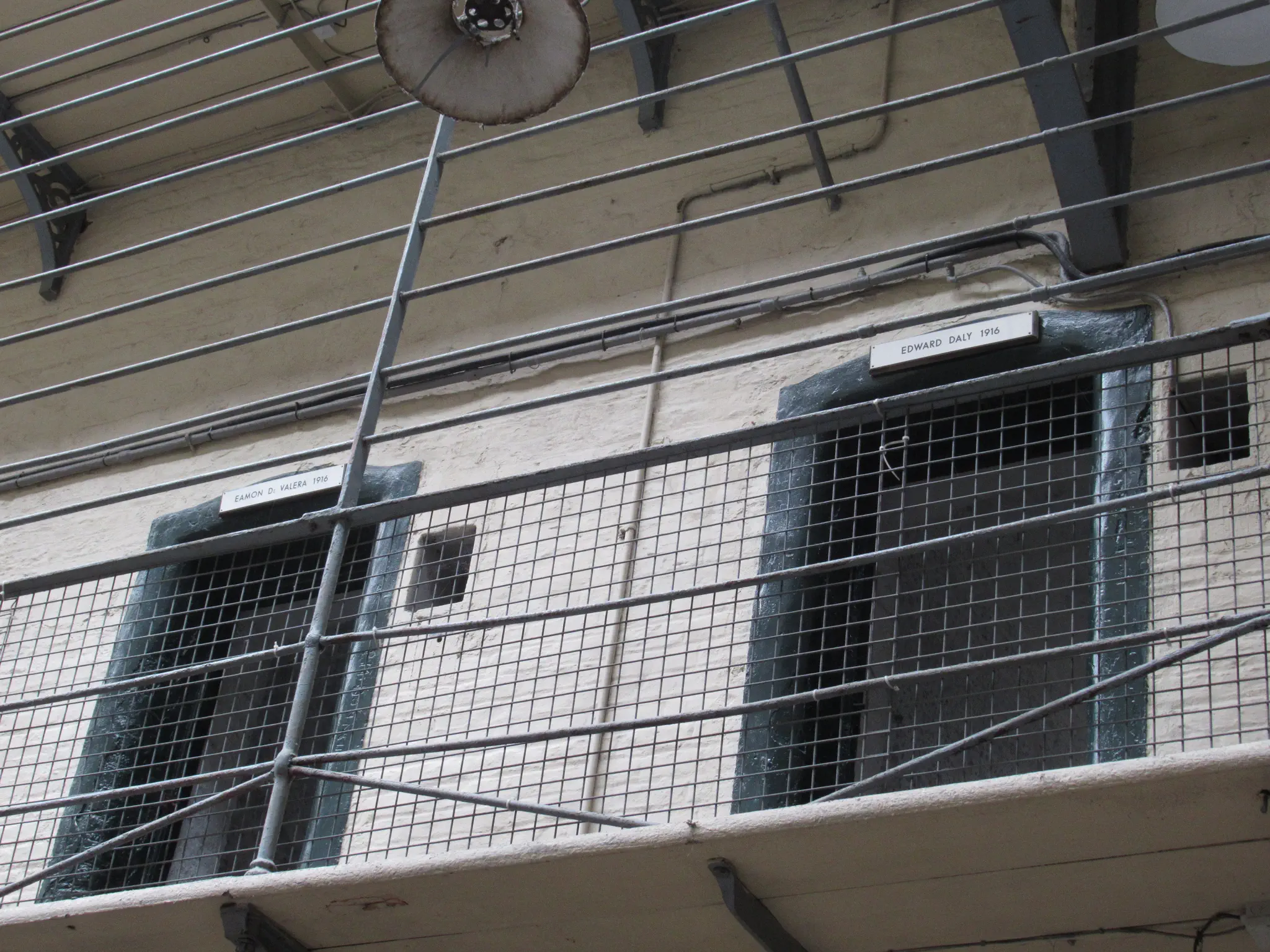
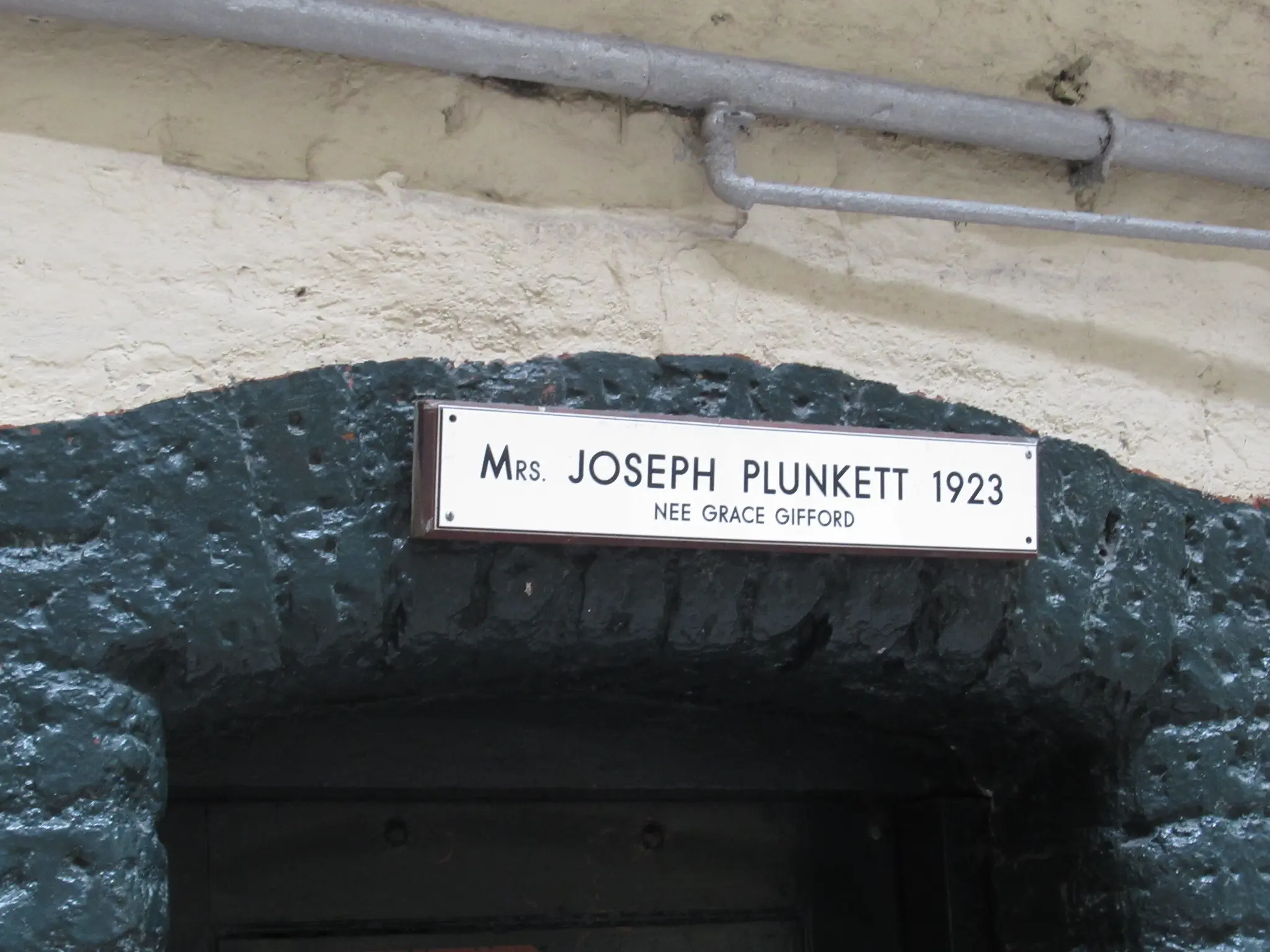
Funny cell labeling.
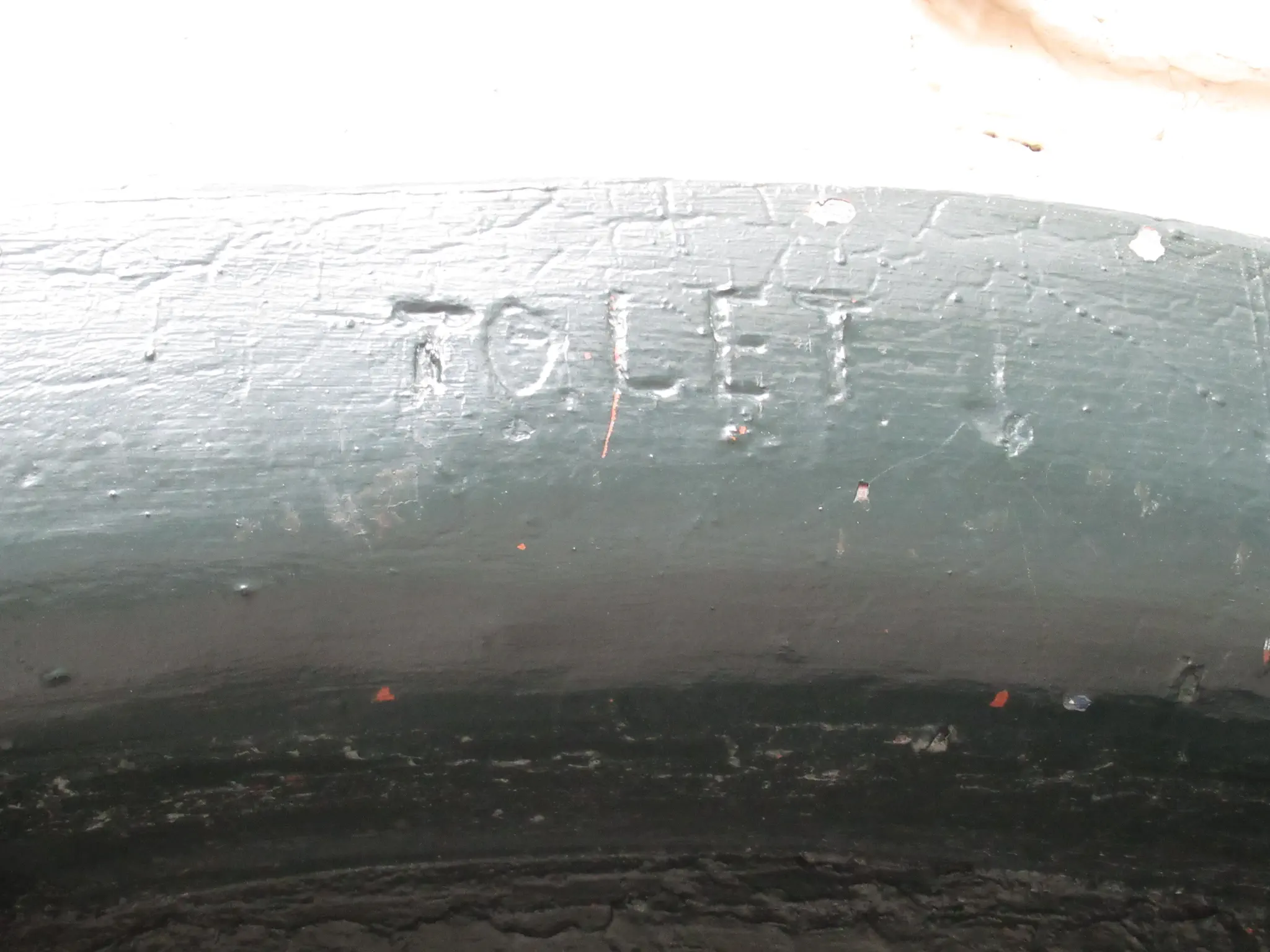
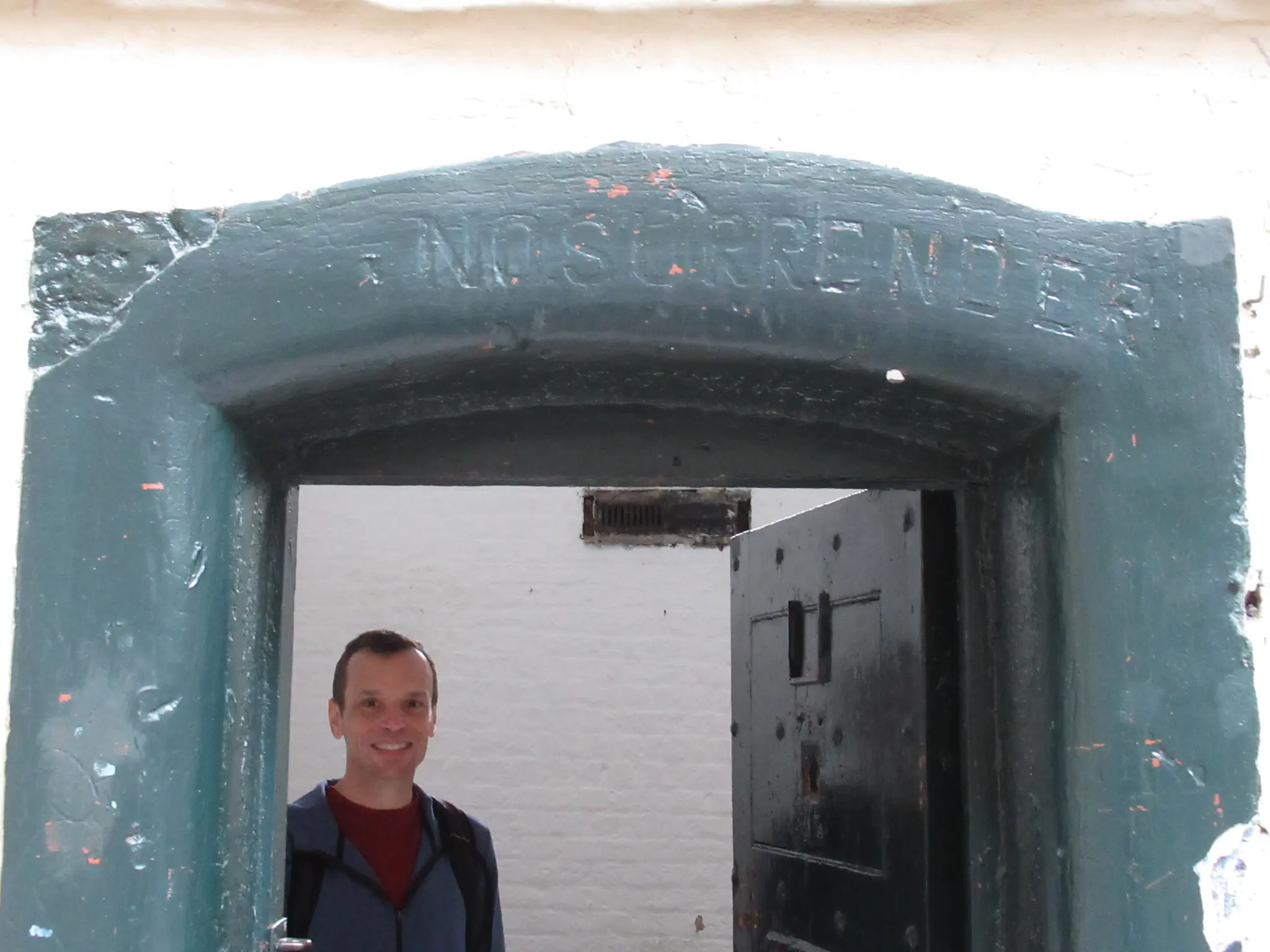
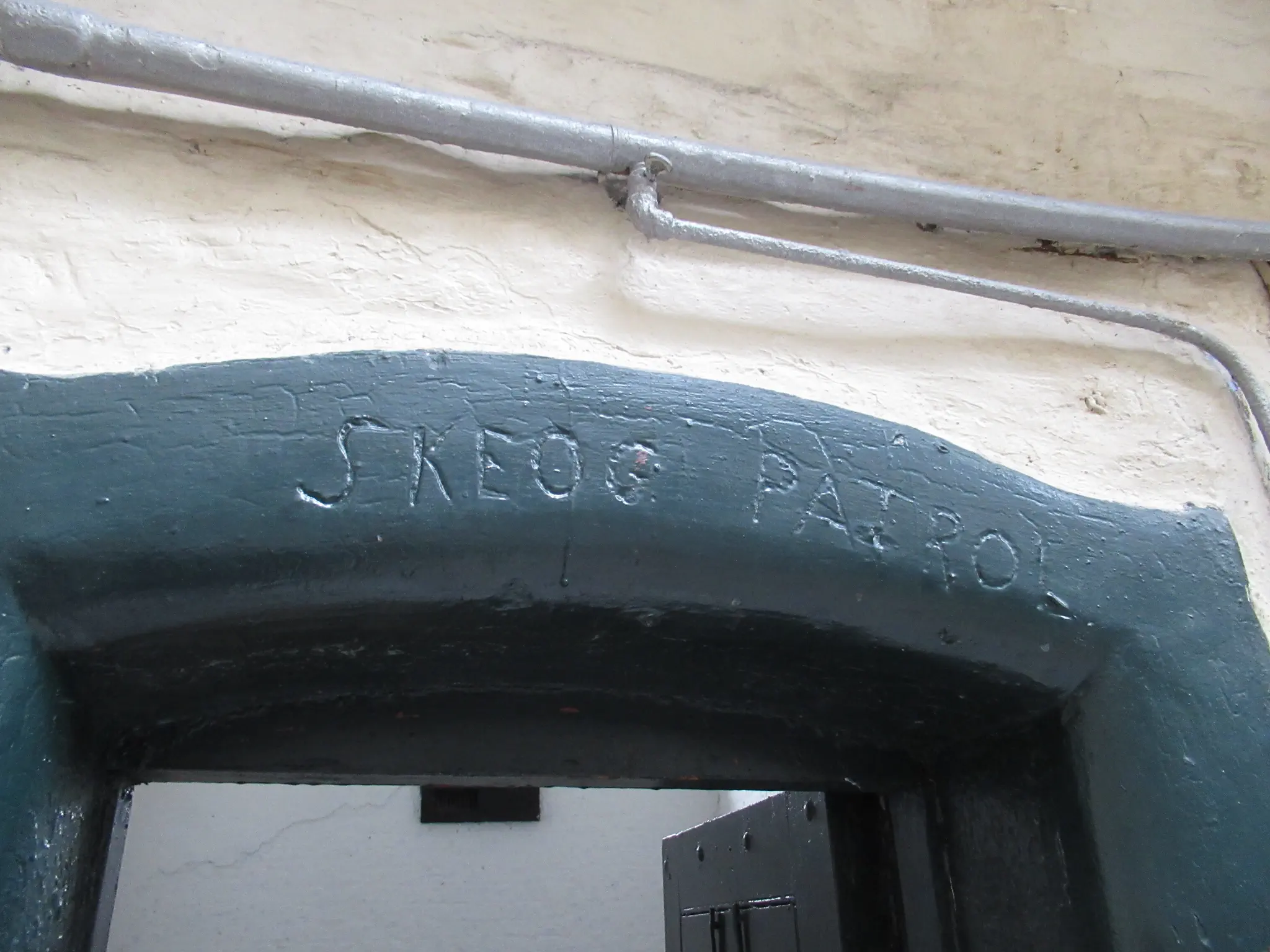
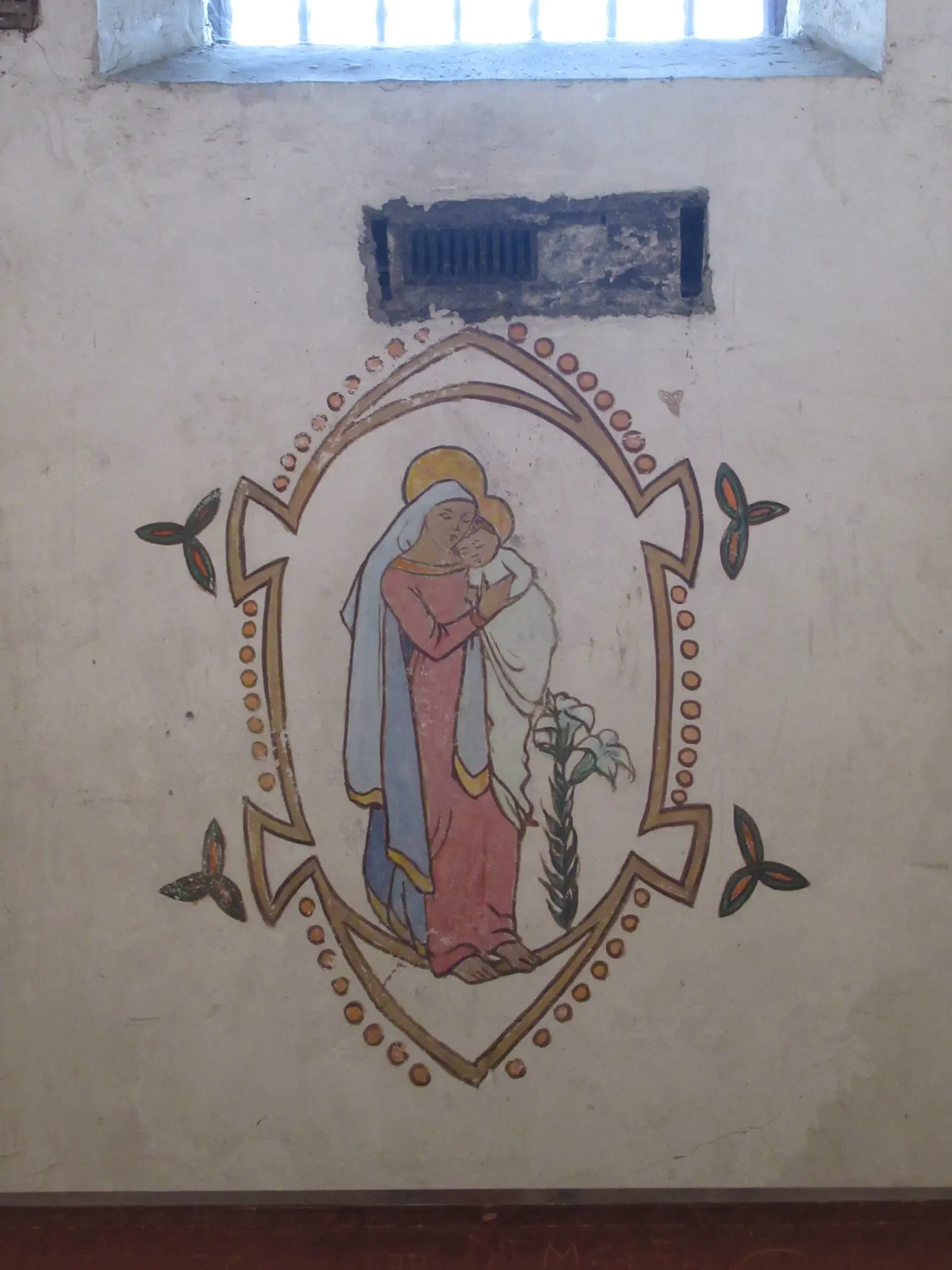
Grace Gifford Plunkett's cell with her art inside.
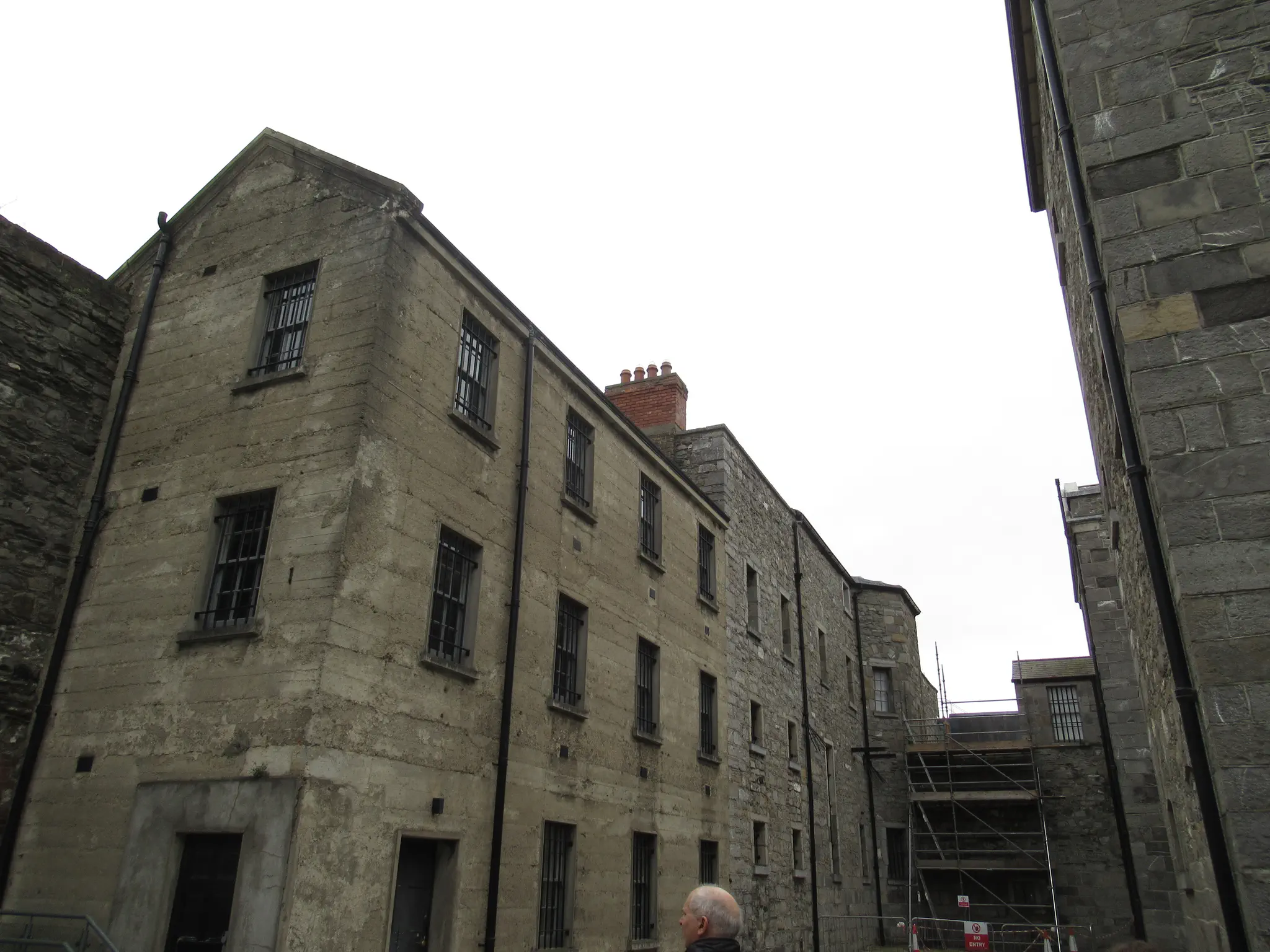
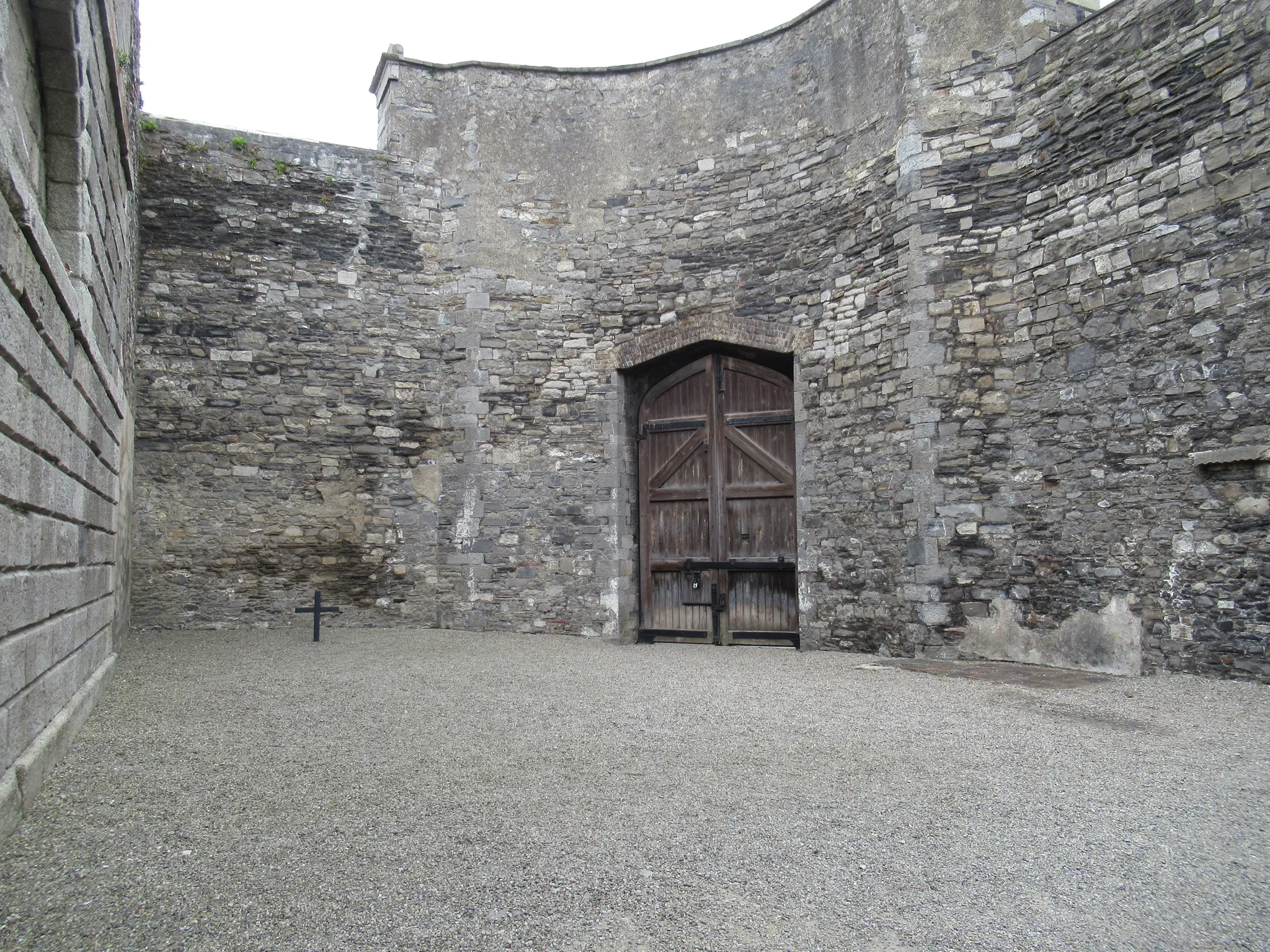
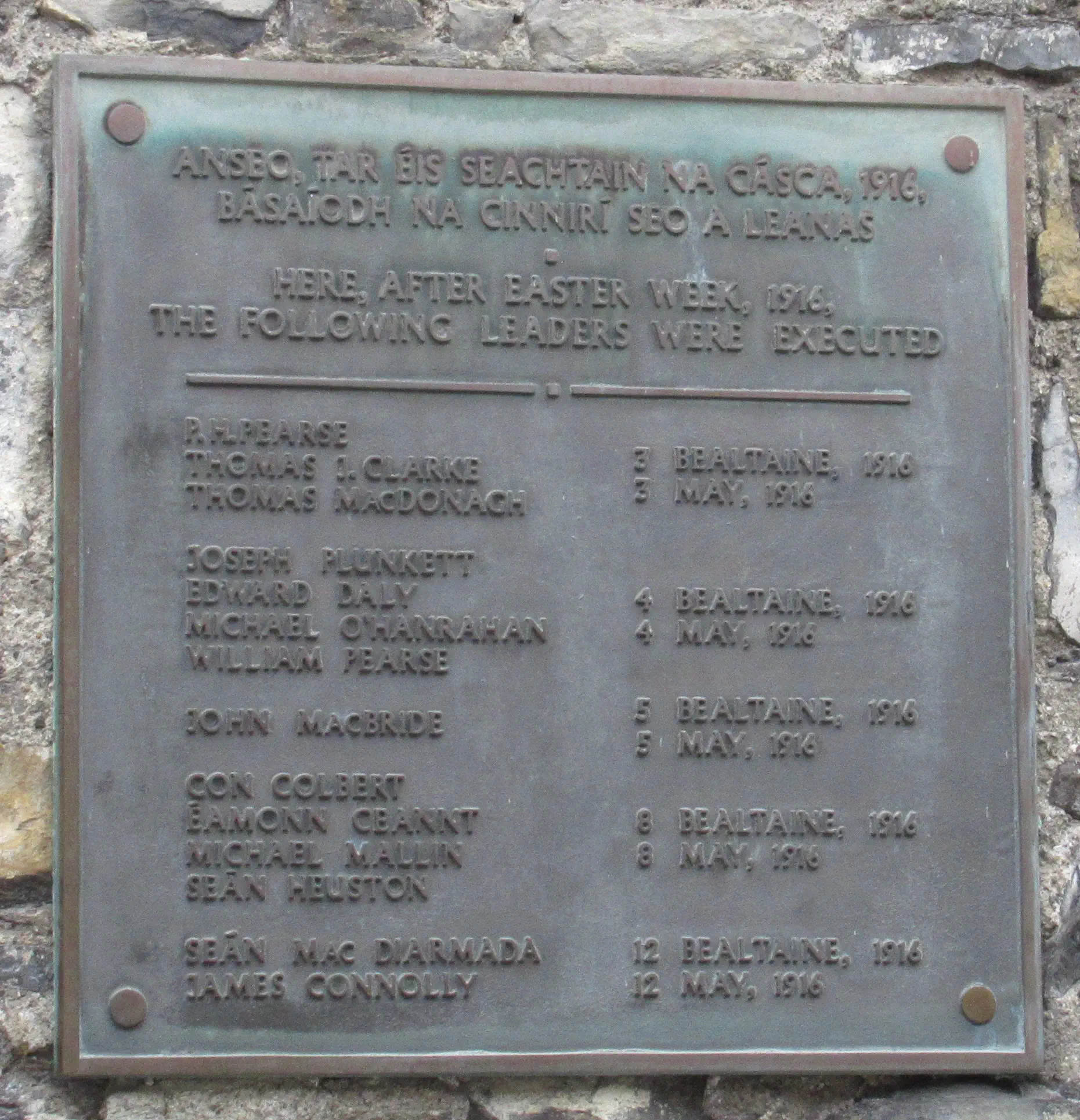
Execution yard. Those executed during the Easter Rising.
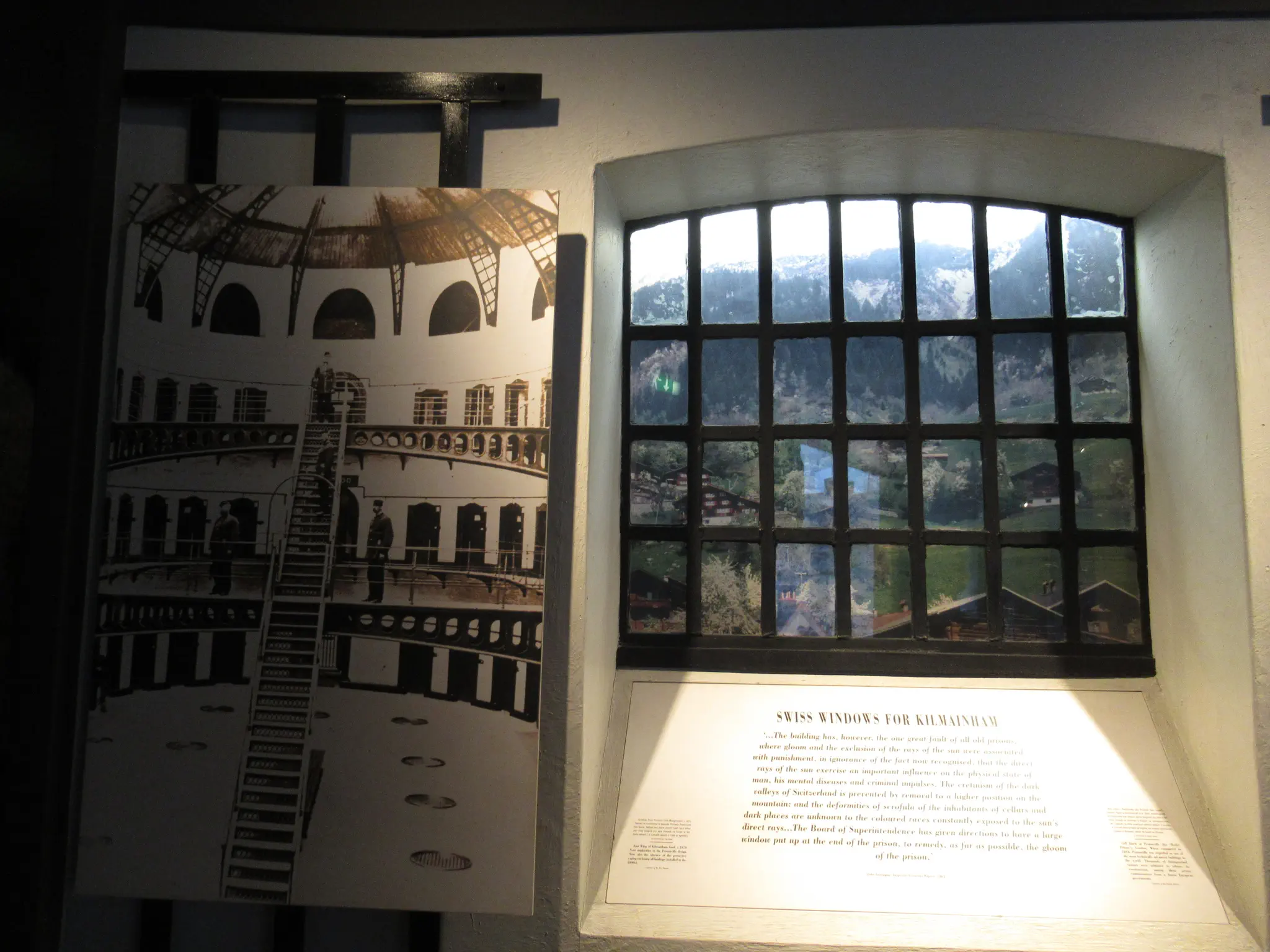
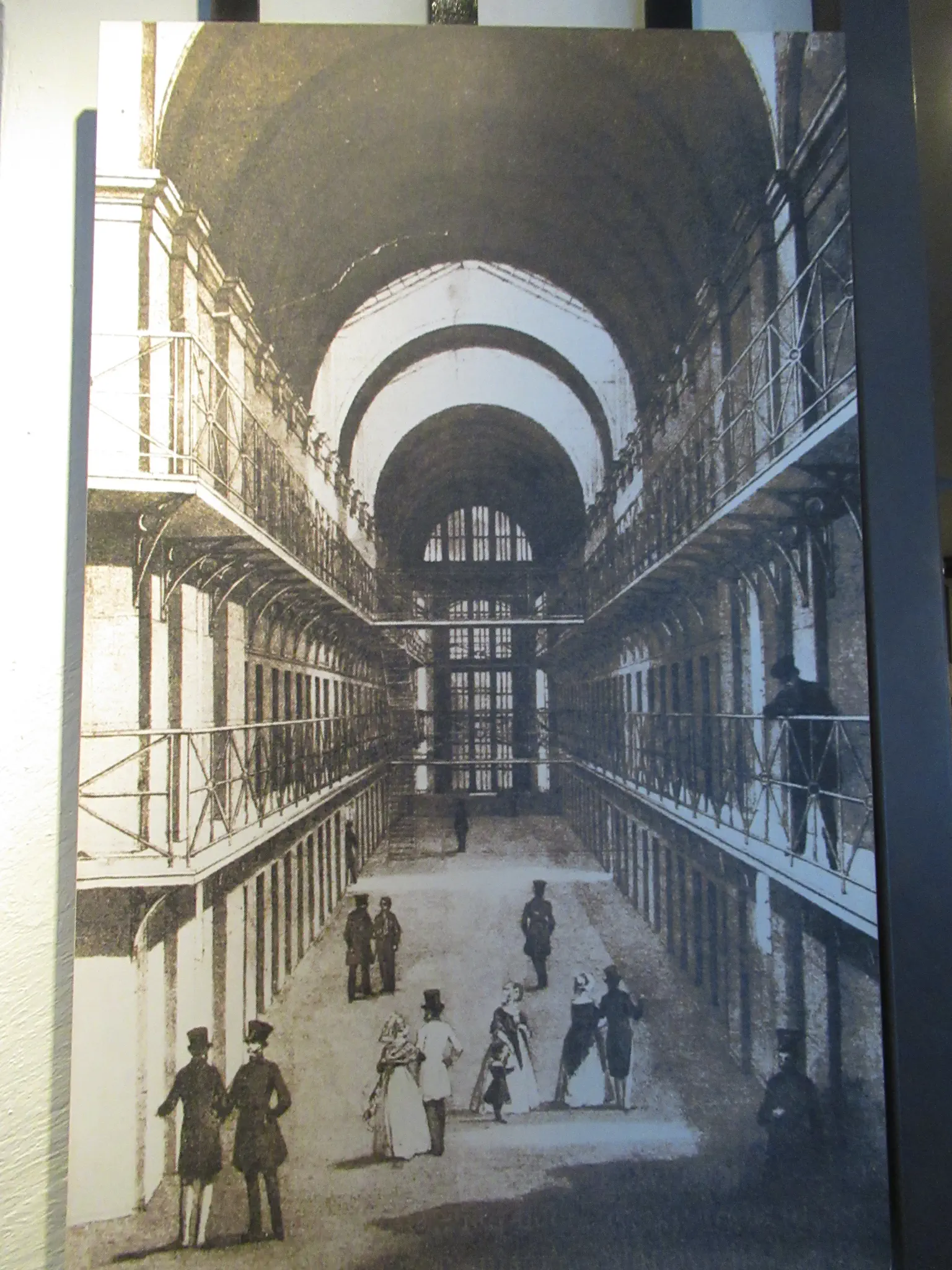
The tour ended, and we visited the museum. Pictures of the jail originally, without the protective railing on the panopticon room's stairs.
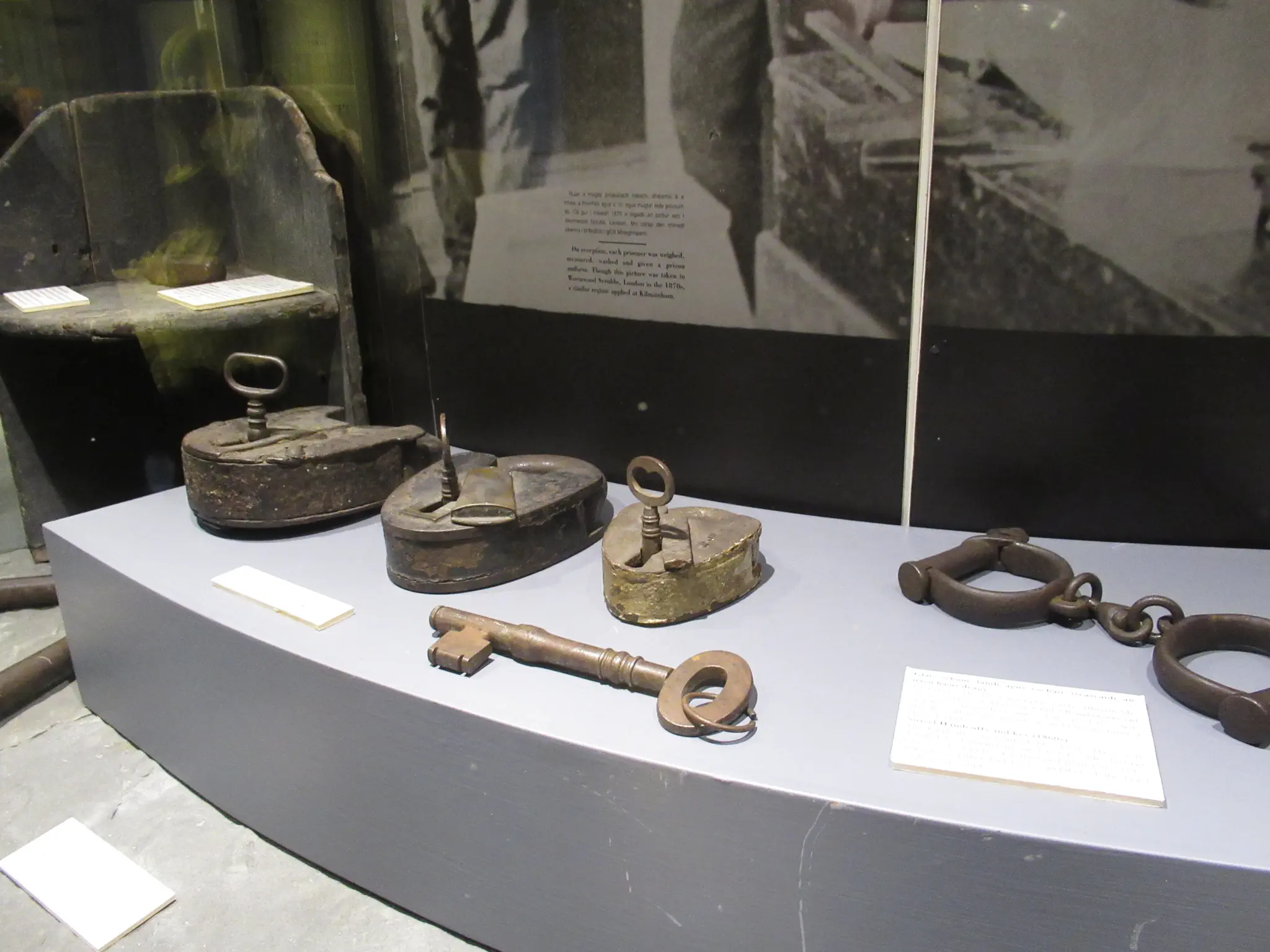
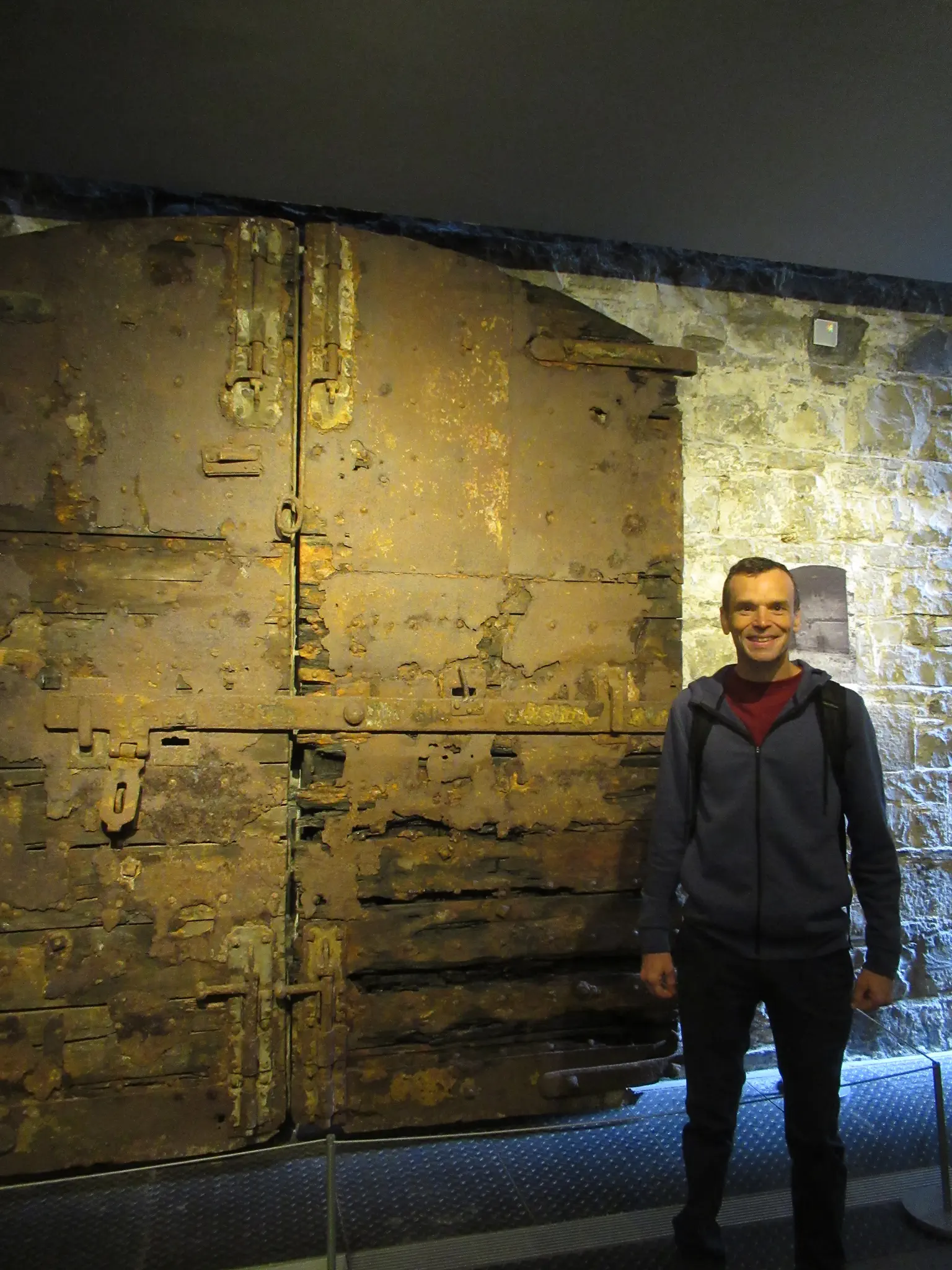
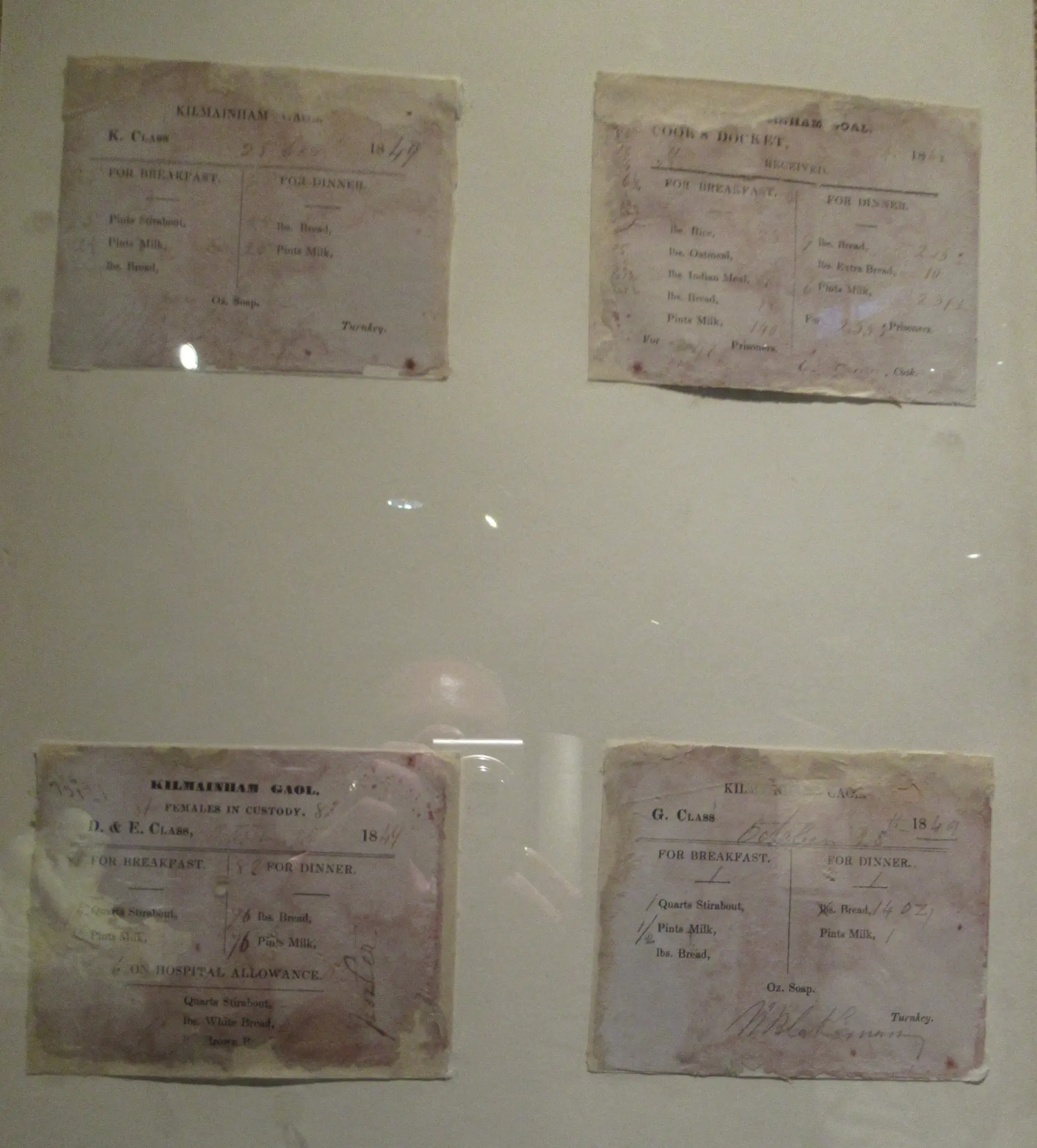
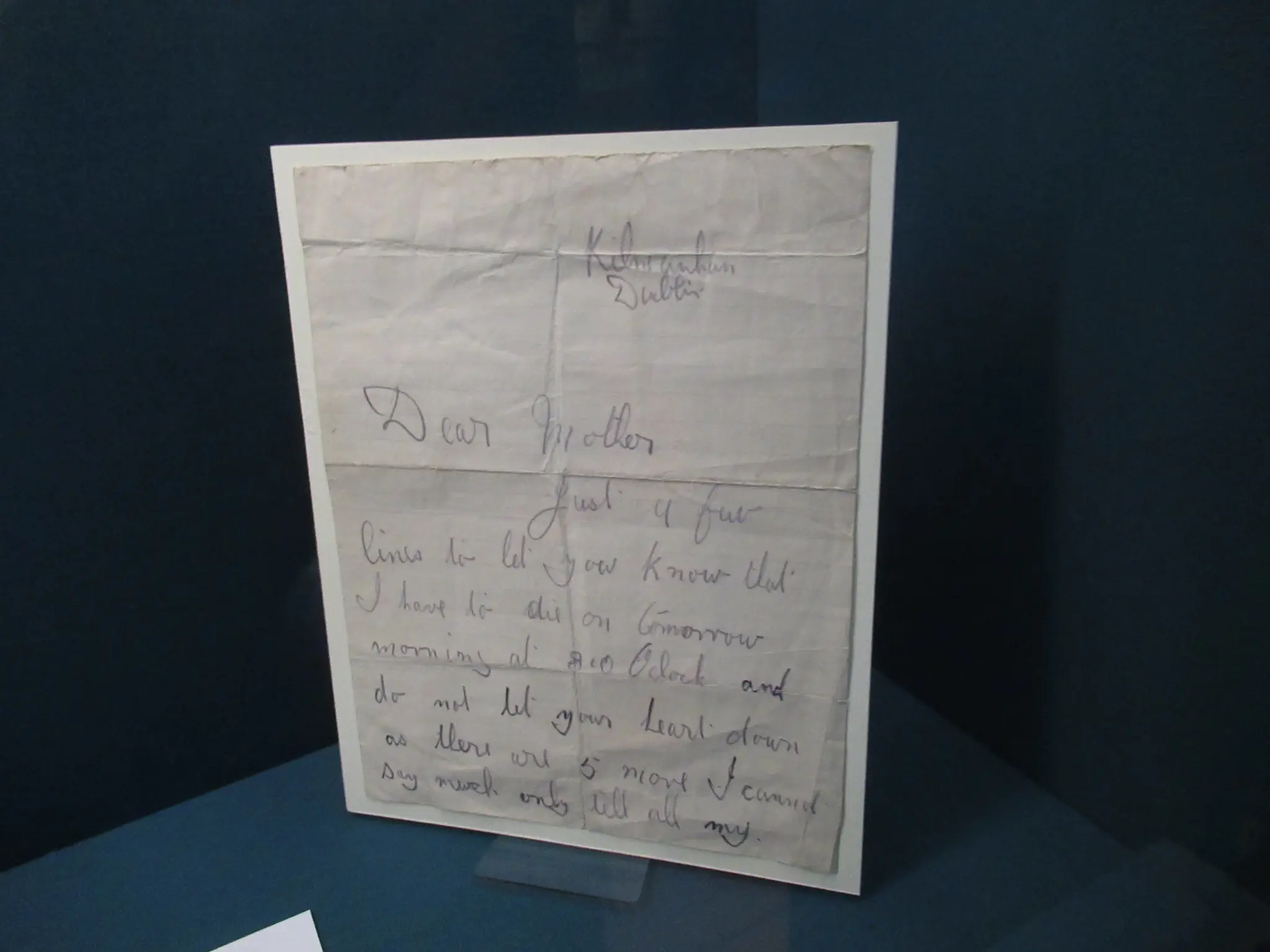
The original gate where an escape was planned and successful. Meal rations. Letters to their family before they were executed.
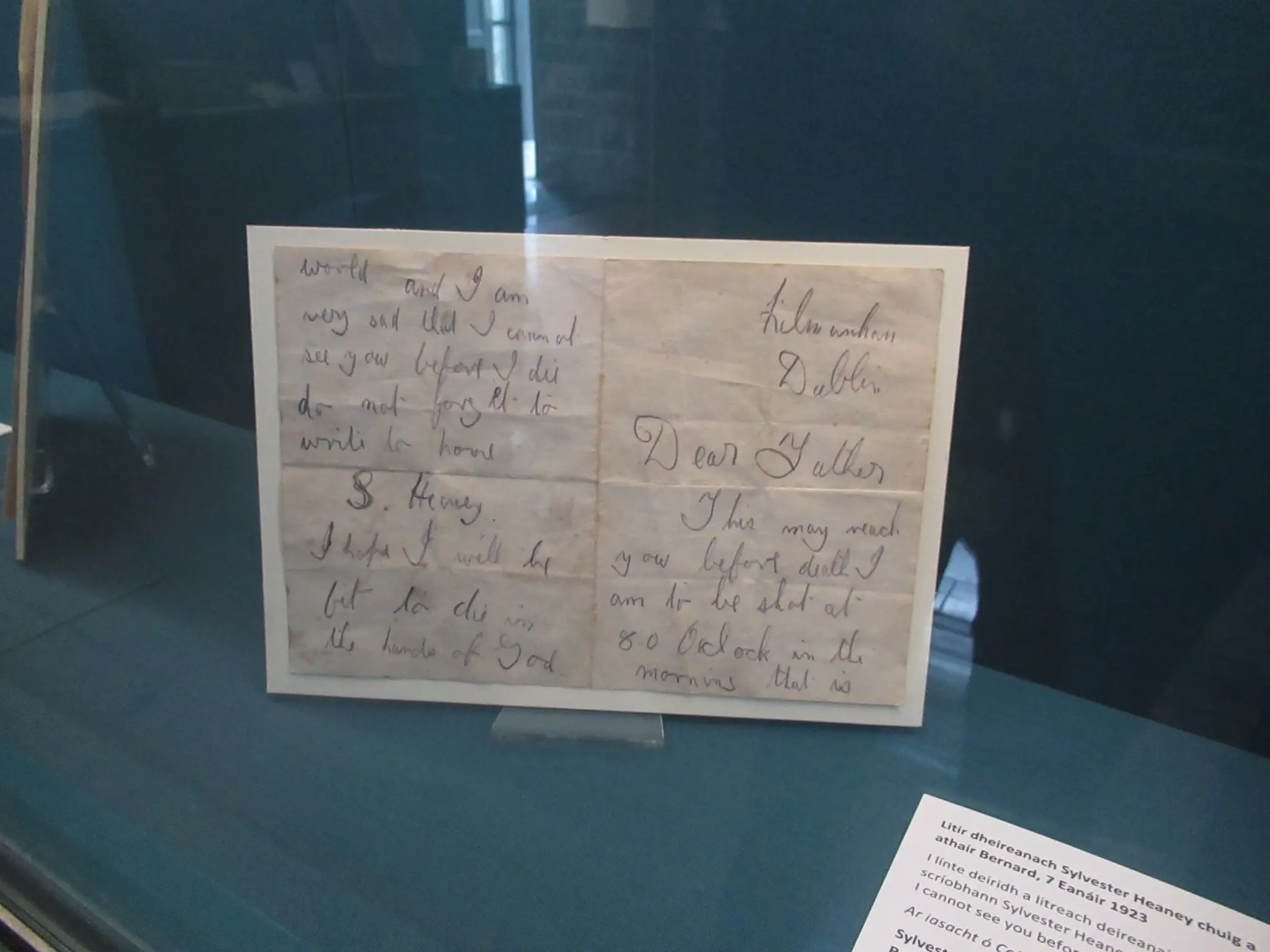
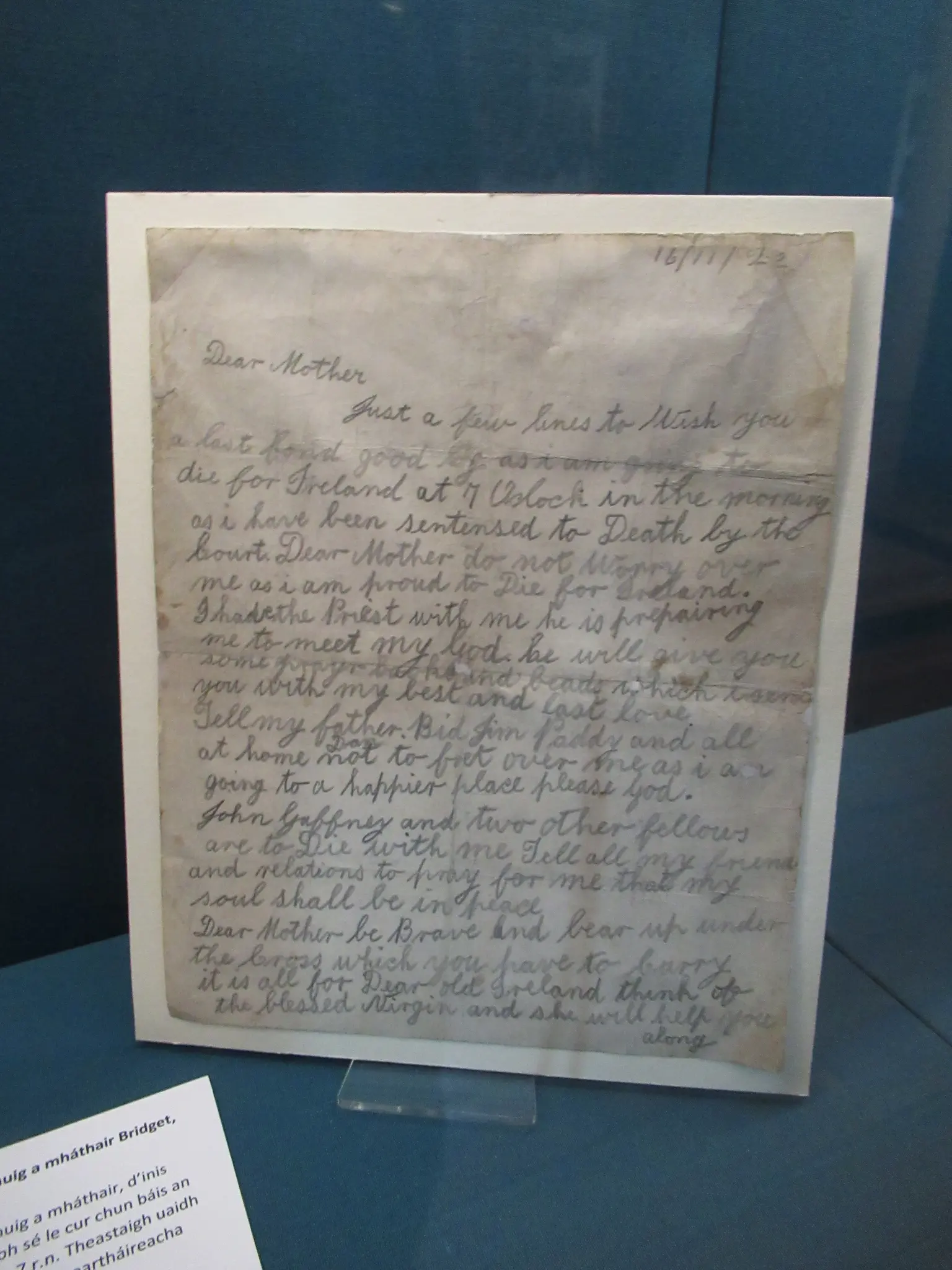
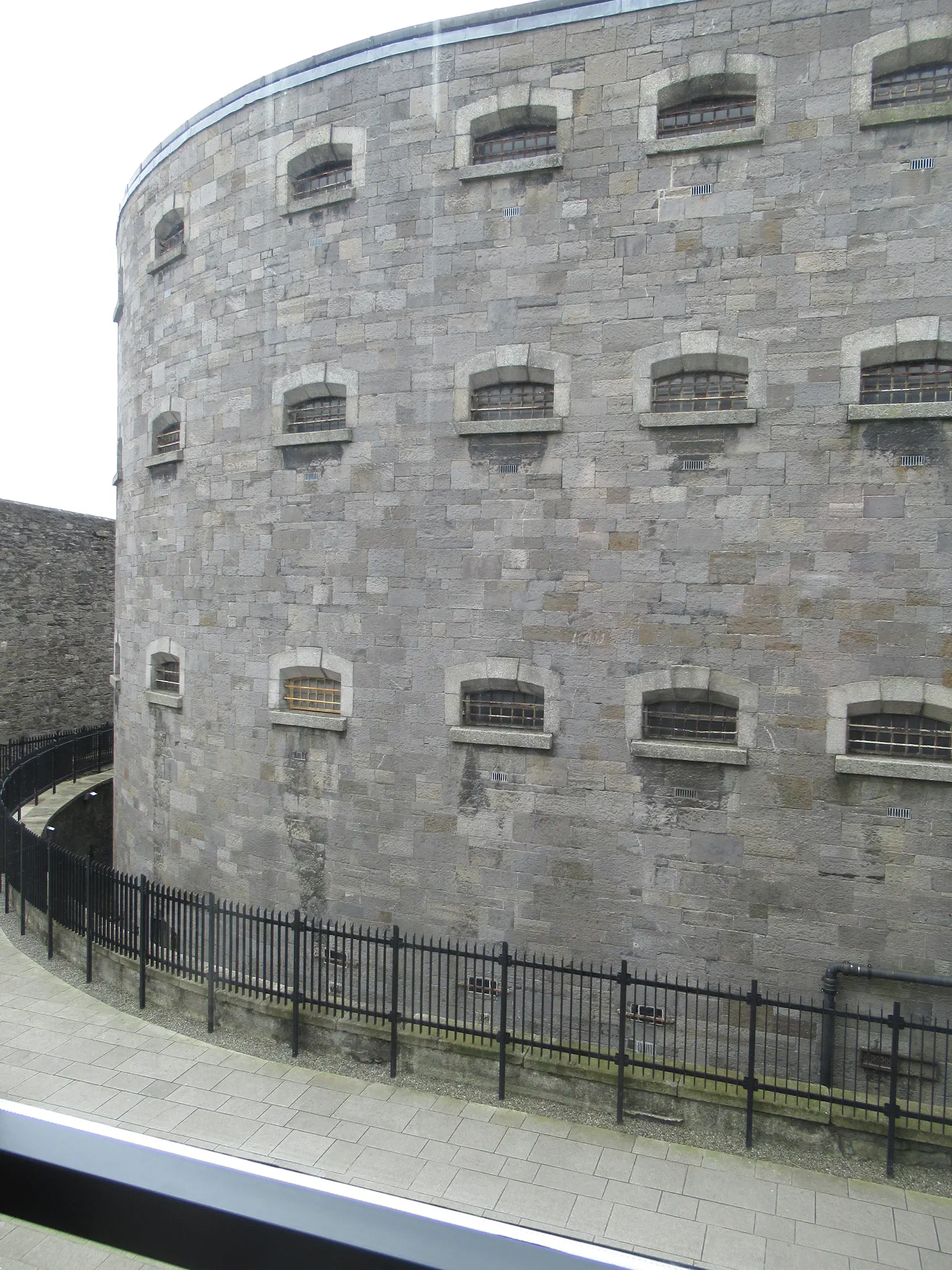
We had lunch from the SPAR cafe, which had a seating area, and sodas from the grocery store, topped off our Leap card, and caught the bus back to the city center.
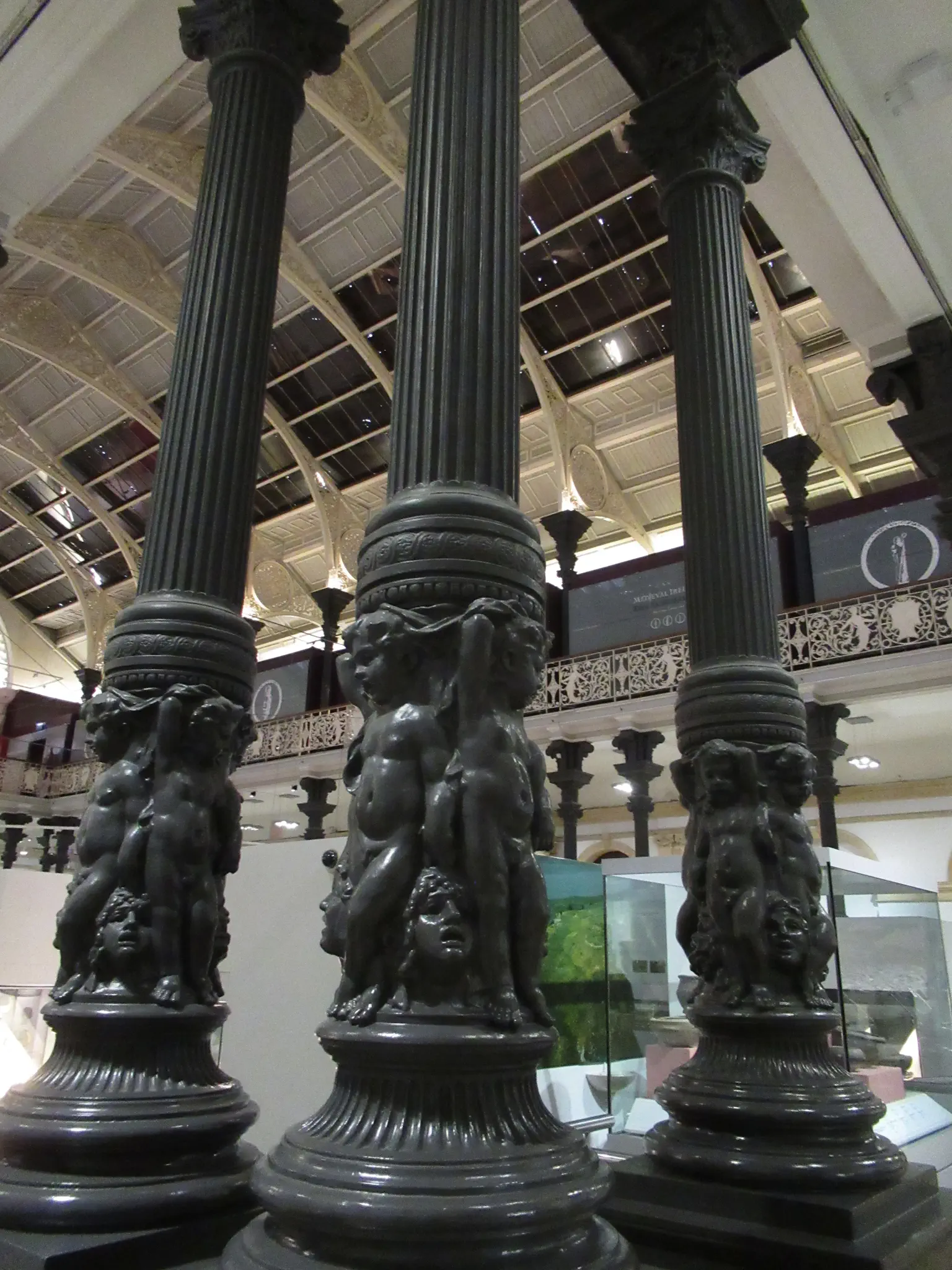
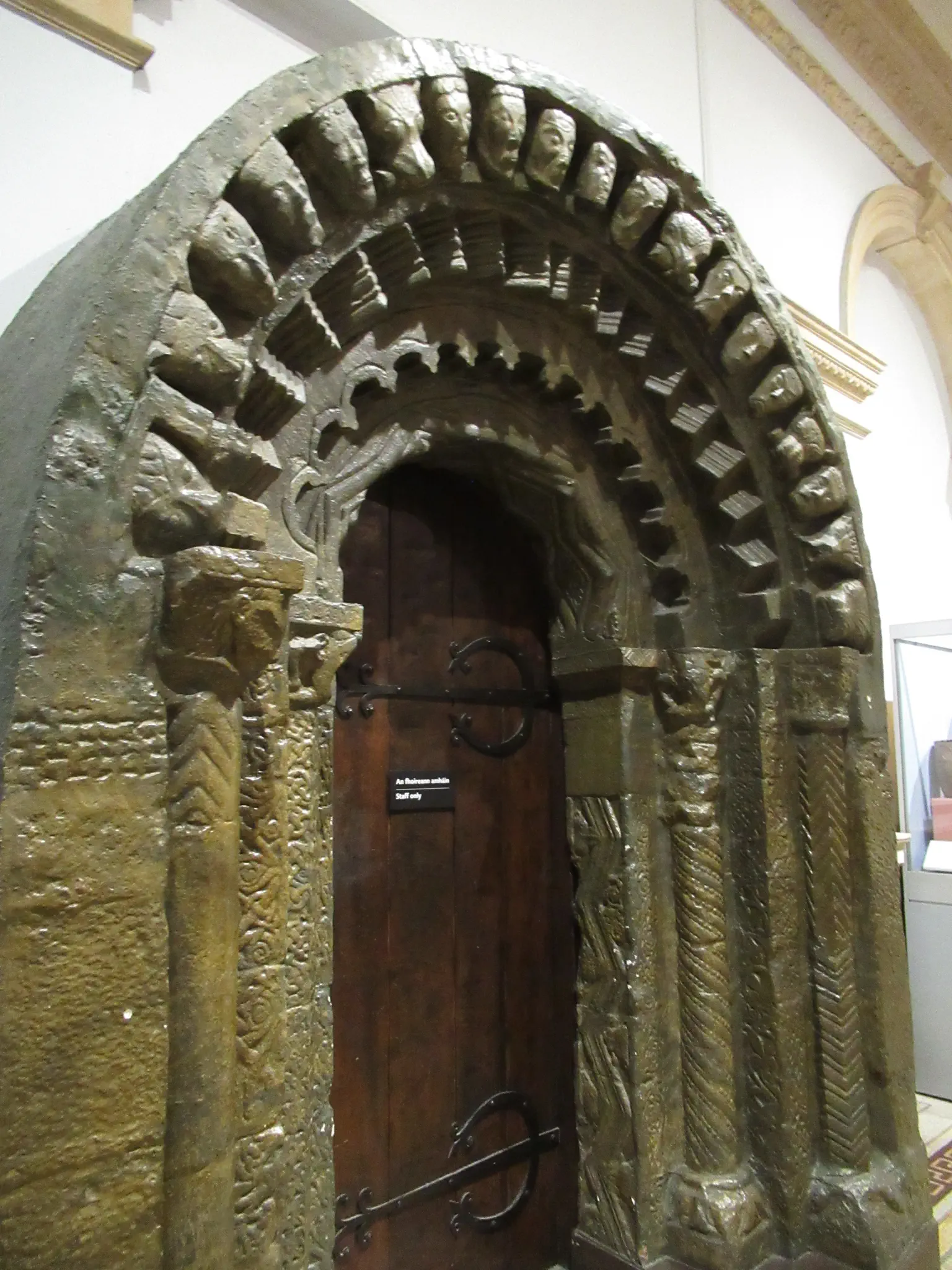
A quick break in the hotel, and then we went to the National Museum of Archaeology near our hotel. We do not have many pictures (though I thought we had more), but the museum was well laid out from very far back in time to more recent.
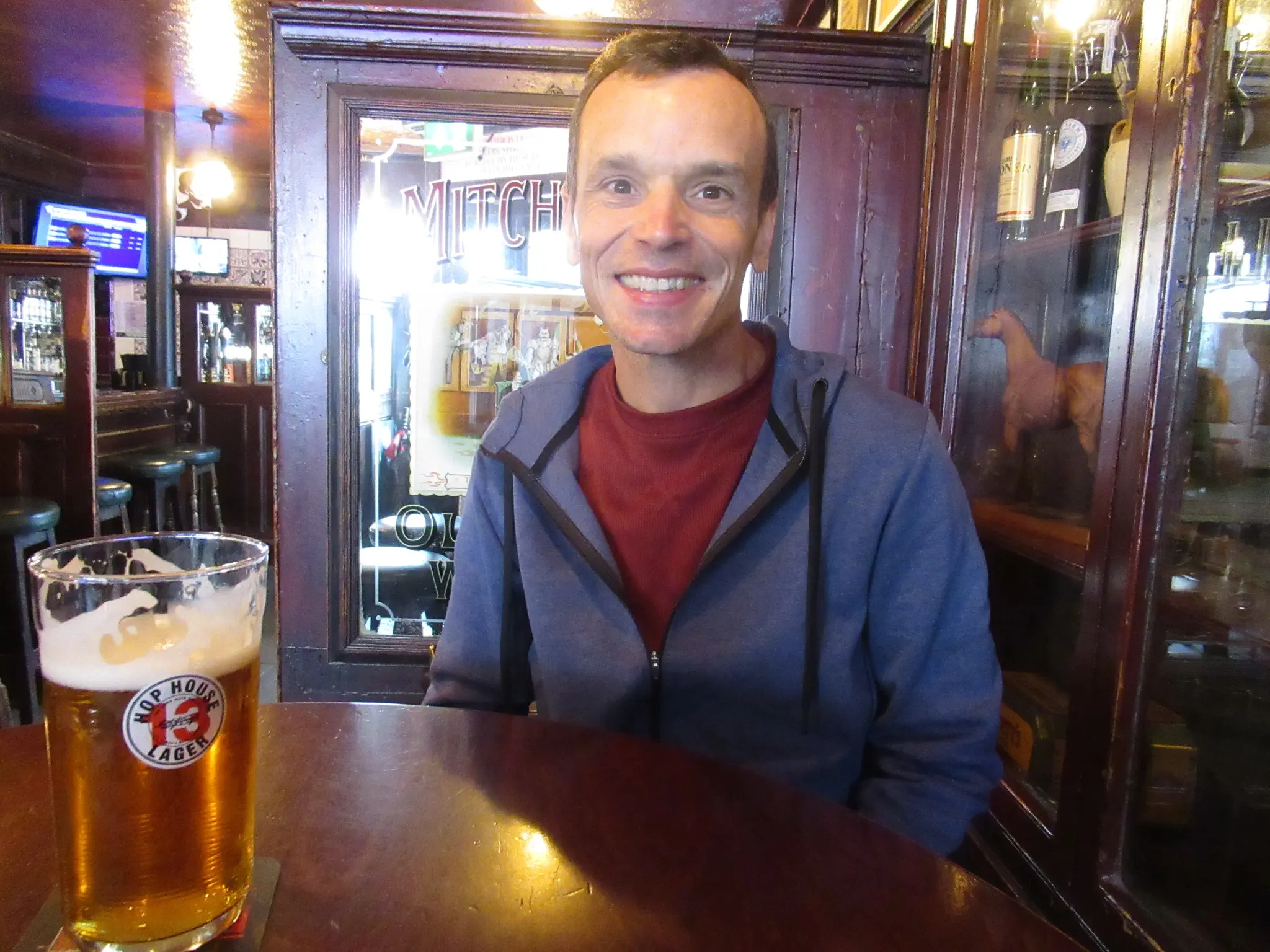
Pub stop
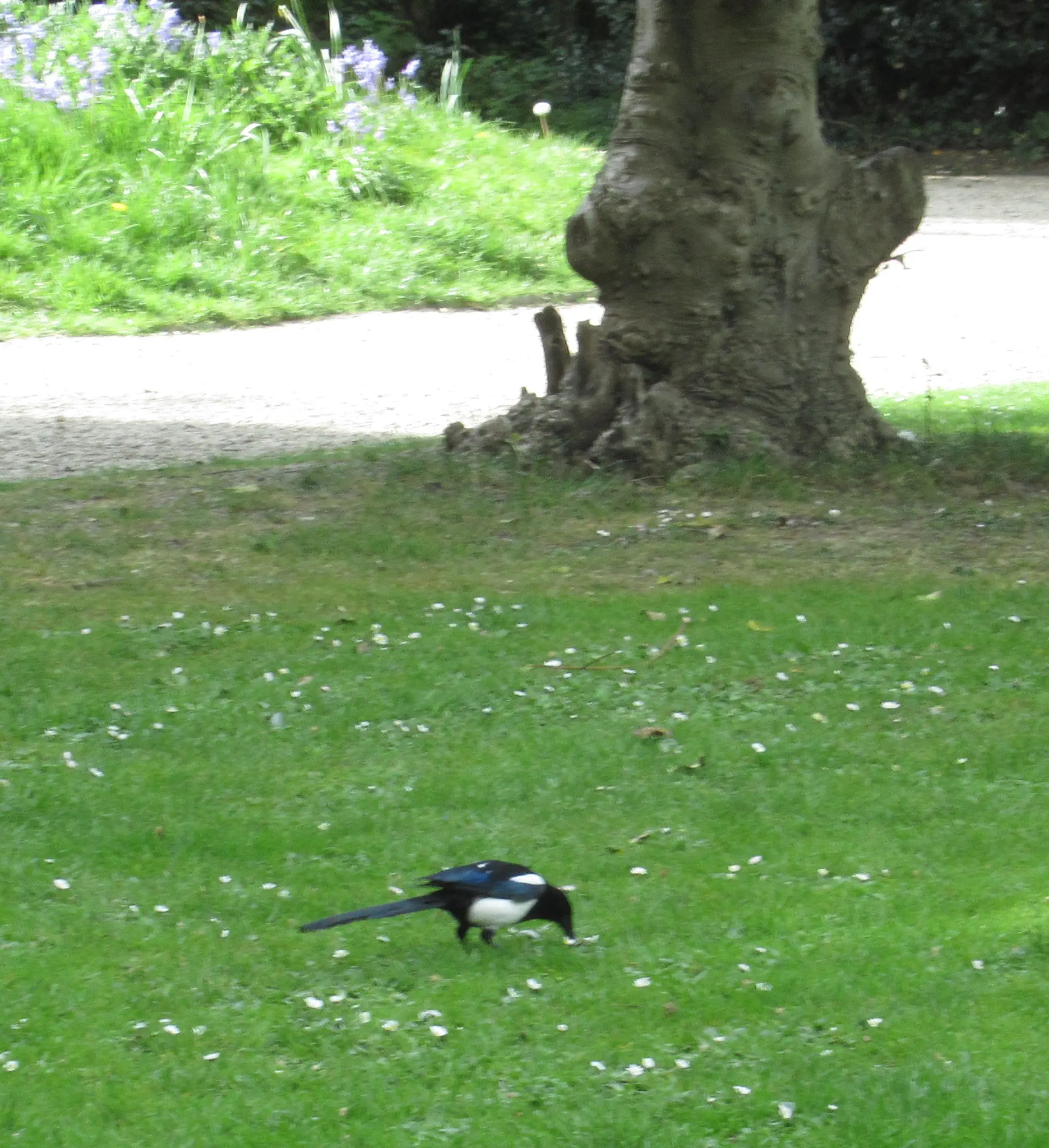
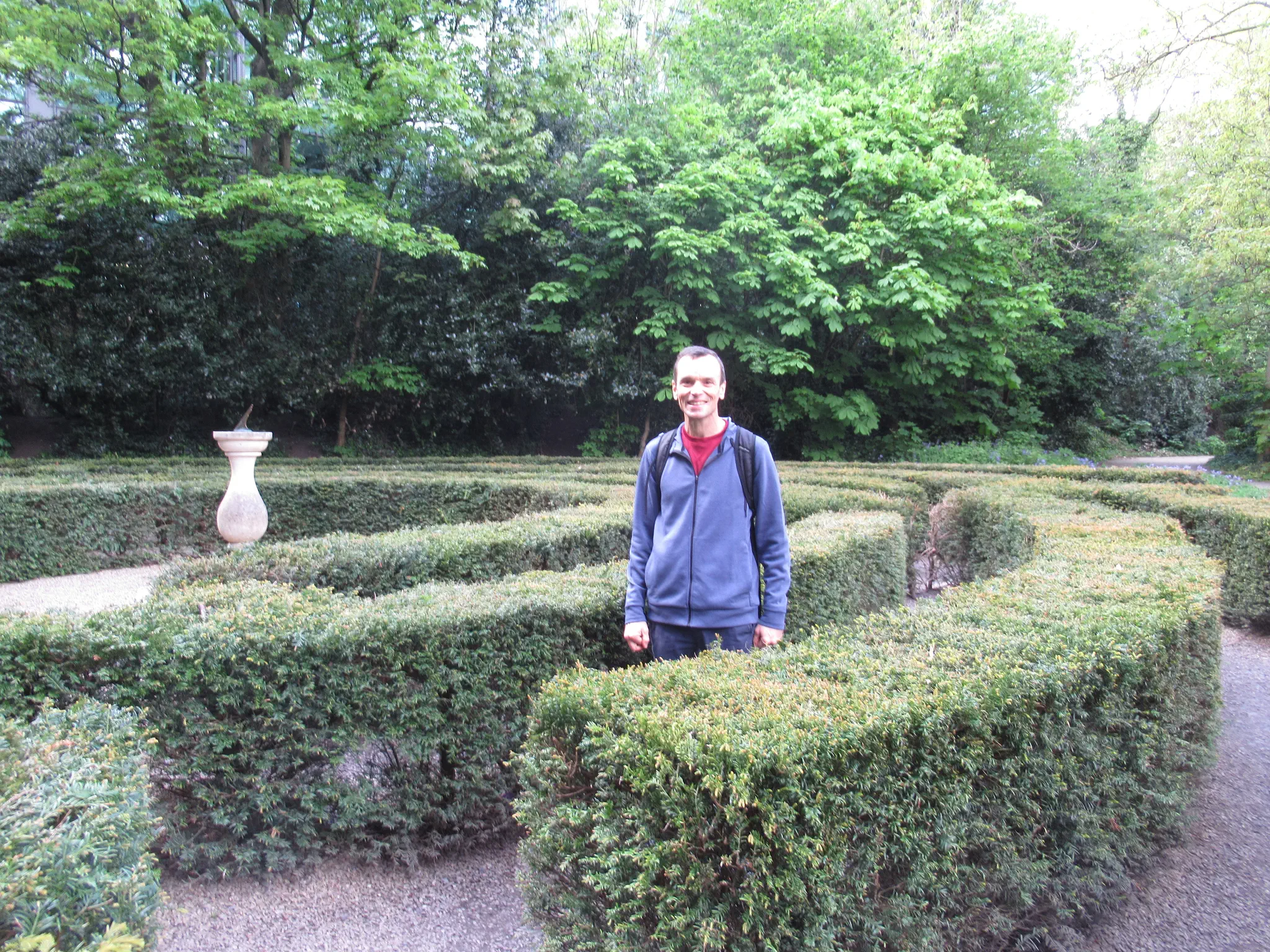
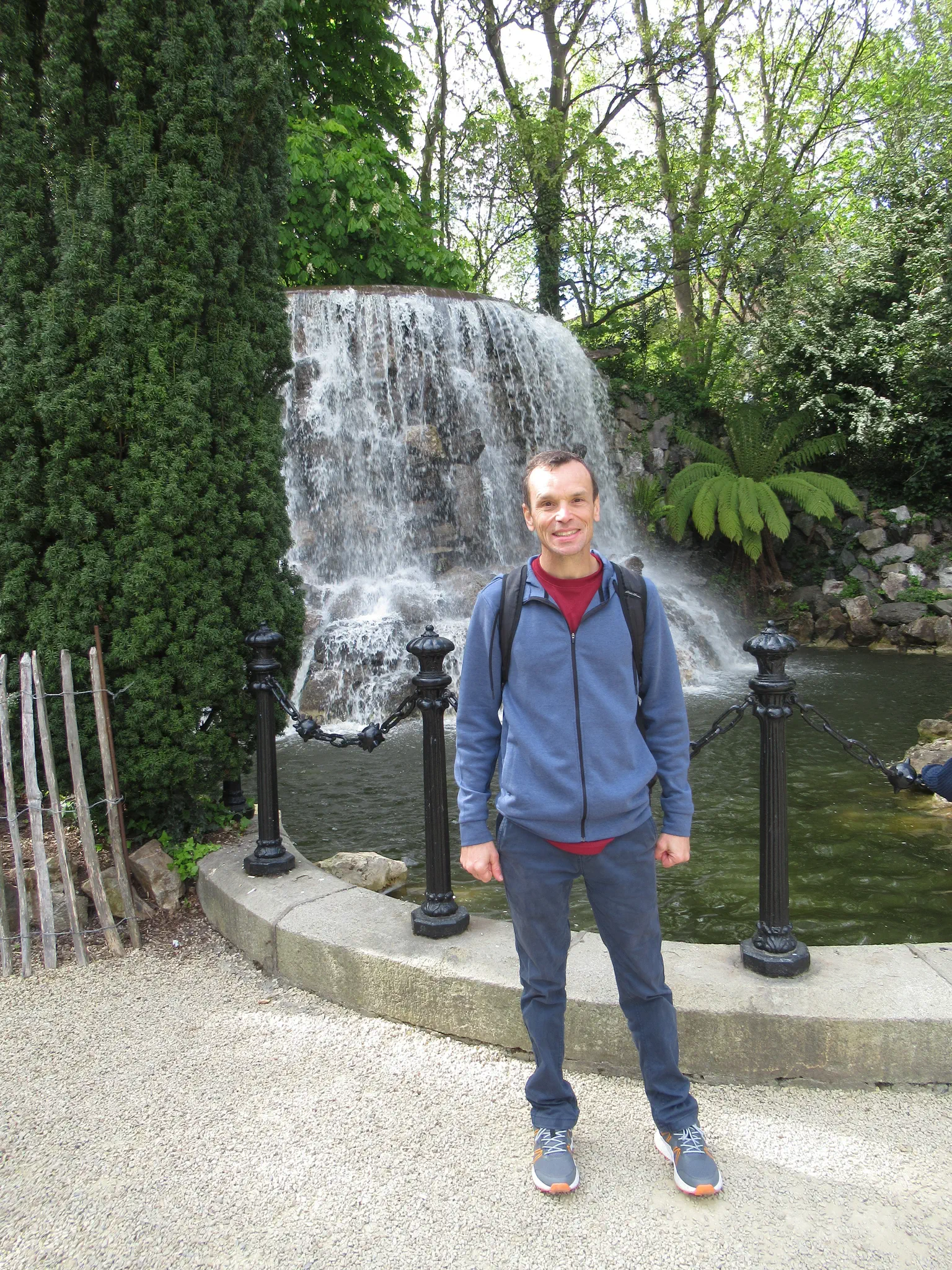
Next, we went to Iveagh Gardens. A magpie; the first day, we saw one on top of a shop named Mister Magpie Coffee. Then we did a bush maze; pretty easy since the hedges were short. The park also had a waterfall.
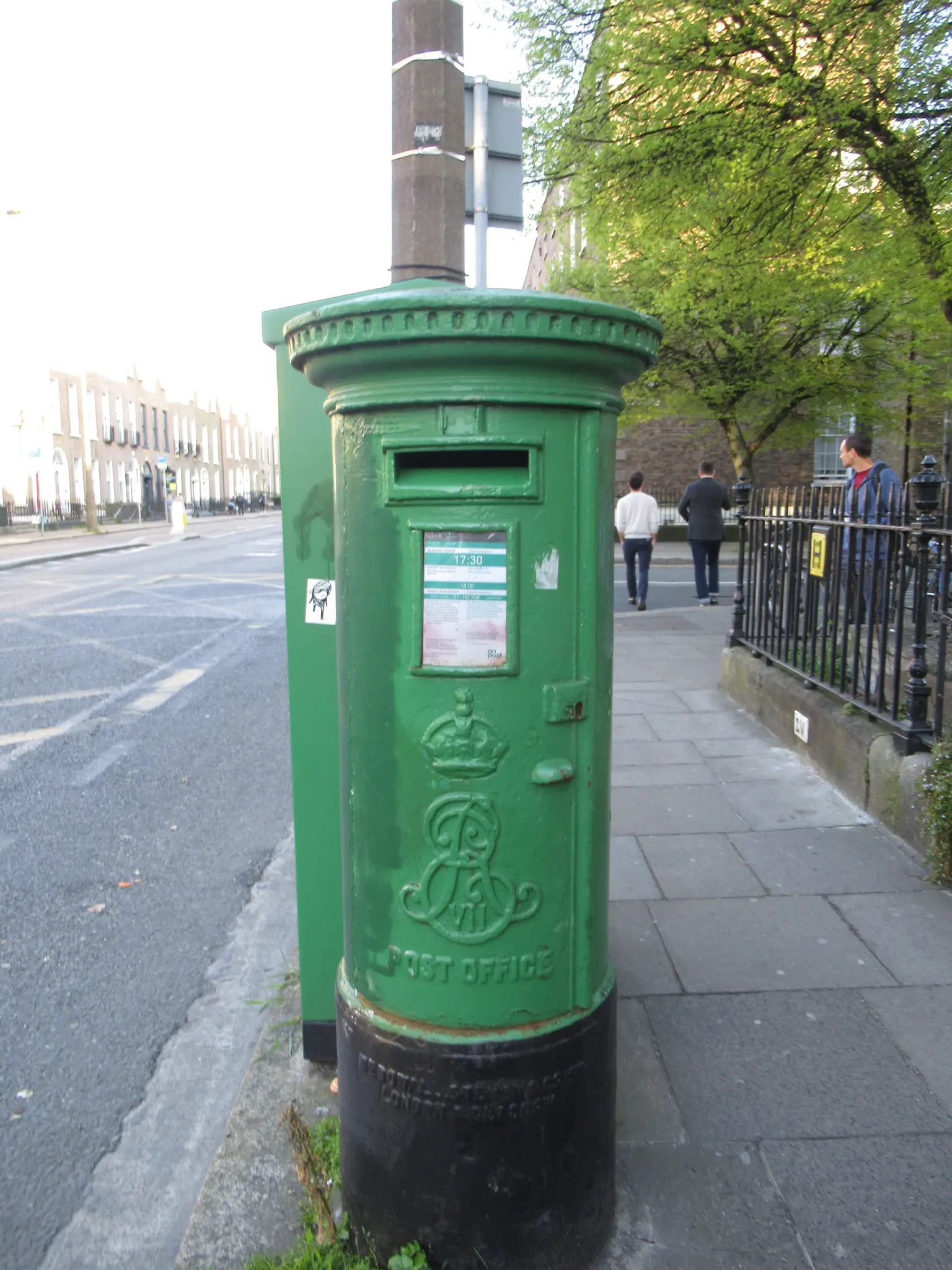
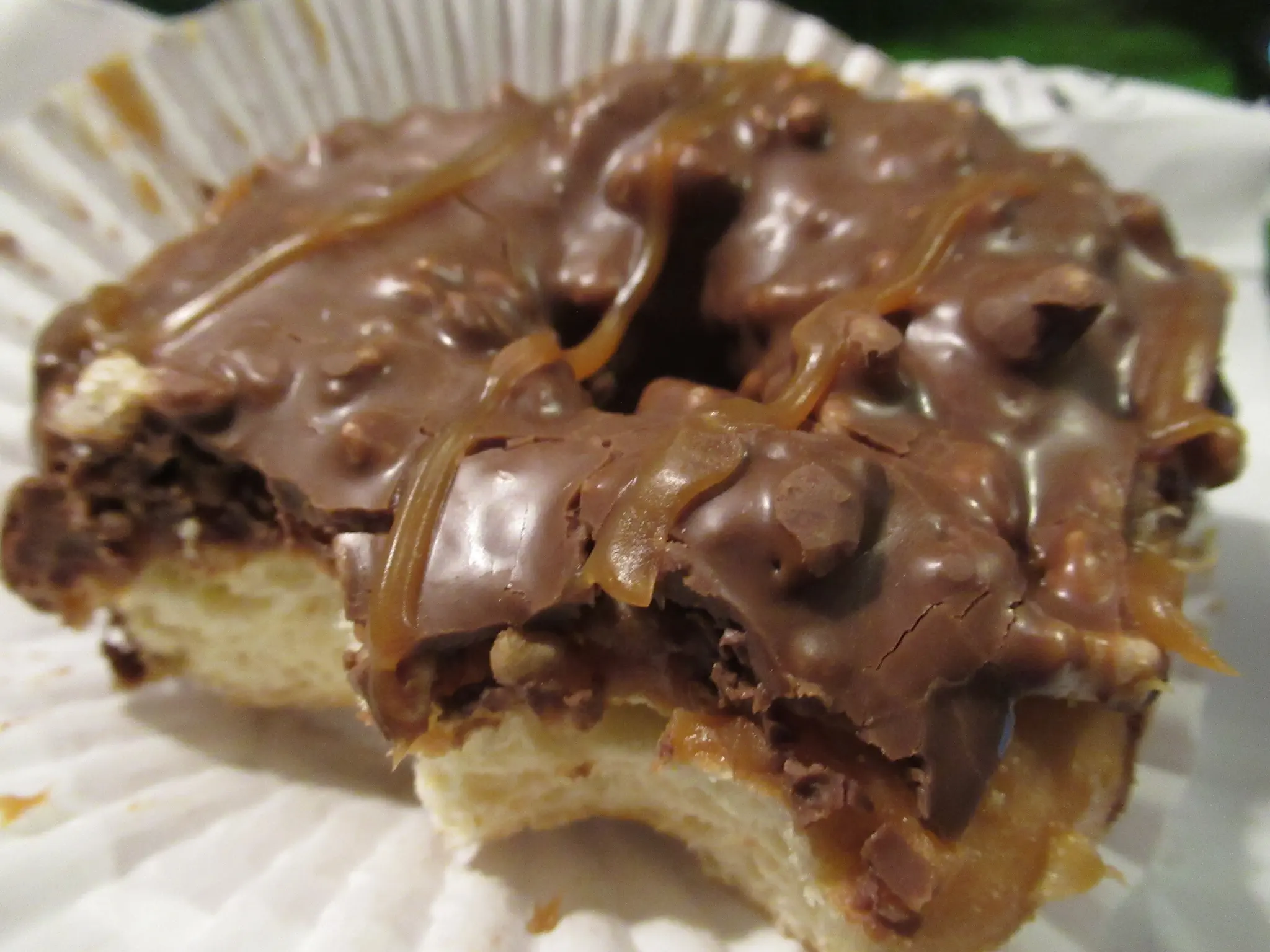
I like to take pictures of post boxes; this one has the ER (Elizabeth Regina) like in London but is green. We stopped at Circle K to get me a treat, in order to get change from our ATM cash withdrawn to tip on our tour the next day. Ireland is not big on tipping, but we read 5-10 Euros. This was all that we had to have cash for. A toffee donut; it was very good.